

Adriana Grazia Castriotta is a Technologist at the Italian Space Agency (ASI), with experience in the space downstream and Earth Observation segments. She currently serves as Program Manager and Contract Officer (DEC) for integrated service and application projects, while is Adviser to the italian delegation at the ESA Joint Board on Communication Satellite Programmes (JCB).
Her expertise focuses on supporting the technical and strategic development of satellite telecommunications and downstream services to ensure long-term sustainability and innovation within the Italian and European space ecosystems.
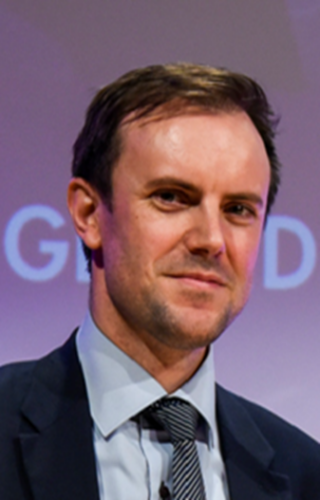

Adrien Bécue (PHD) is AI & Cybersecurity Expert at Thales. He graduated from Toulouse Business School with a Master in Aerospace Management in 2003, and fulfilled a PHD in Artificial Intelligence at University of Porto in 2025.
In 2004, he joined the French defense procurement agency (DGA) as a Program Purchaser for Land Weapon systems. In this position he managed a portfolio of industrial and research projects driven by Network-Centric Warfare and Digital Battlefield transformations. He joined EADS group in 2008 to manage acquisition programs in Tactical Communication systems for the French Navy and the International Security Assistance Force (ISAF) deployed in Afghanistan. In 2010 he became Research & Technology Project Manager for border security and maritime surveillance projects. In 2013 he became Head of Innovation of Airbus Cybersecurity. In this role, he won several Awards of Innovation with projects in fields of cryptography, cyber-defense, and security of industrial control systems.
In December 2022 he has joined Thales to take the role of AI and Cybersecurity Expert. He is involved in strategic projects in field of 5G security, AI-based intrusion detection, adversarial AI and generative AI. He is Technical Coordinator of the European defense project AIDA that deals with Artificial Intelligence Deployable Agent for cyber-defense operations. He is member of several cybersecurity and AI expert groups supporting organizations such as ANR (French National Research Agency), EC (the European Commission), ECSO (the European Cyber-Security Organization), ENISA (European Cybersecurity Agency), EDA (the European Defense Agency) and NATO (The North Atlantic Treaty Organization).
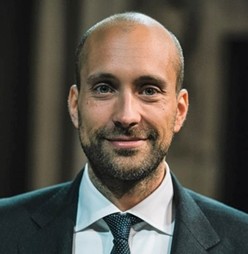

Alessandro Pozzobon has been Co-founder and Administrator of Qascom since 2004, where he leads sales and business development. He holds a Master of Business Administration from the University of Iowa, as well as a master’s degree in information technology from the Queensland University of Technology in Brisbane.
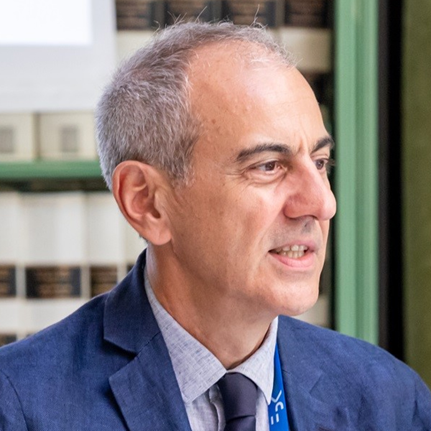
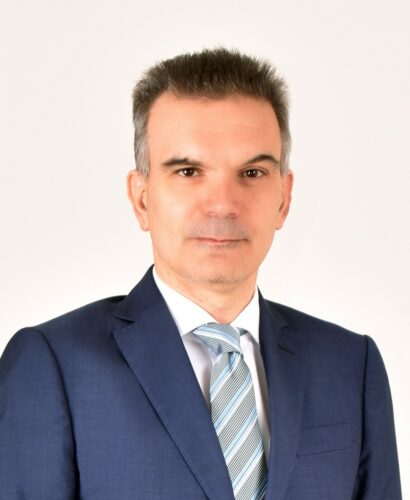
Alessandro Sperduti is a full professor of Computer Science in the Department of Mathematics “Tullio Levi-Civita” at the University of Padova, where he also directs the Human-Inspired Technology Research Center. He also serves as Director of the Center for Augmented Intelligence at the Bruno Kessler Foundation, Trento.
His research focuses on machine learning, particularly deep learning, kernel methods, and process mining. He has held leading roles in major international conferences and is a Senior Member of IEEE. He received the “Marco Somalvico” Award from the Italian Association for Artificial Intelligence and was named Italian Knowledge Leader in 2022 by ENIT. Professor Sperduti has authored more than 300 scientific publications.
Aerospace engineer with 25+ years’ sales and marketing experience in the aerospace/defense and automotive sectors (Leonardo Helicopters, Cummins Meritor, Piaggio Aerospace). Alfredo Nocera is a senior executive consultant since 2016, specialized in global business development, new products launch, joint ventures and other strategic partnerships.
Since 2018, he is the Country Advisor in Italy for “Invest in Türkiye”, the official organization that promotes investment opportunities in Türkiye to the global business community, assisting the investors before, during and after their entry into the Country.
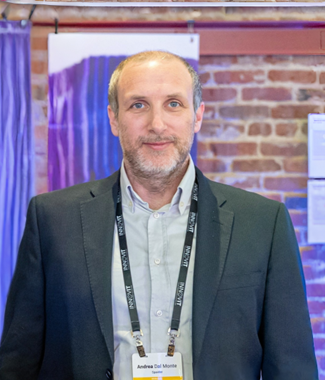

Andrea Dal Monte is an Italian engineer and entrepreneur with a Ph.D. in Industrial Engineering from the University of Padua, where he specialized in machine design optimization and computational fluid dynamics. Passionate about technology, optimization, and artificial intelligence, he built his expertise through years of research at the University of Padua including a research period at Delft University of Technology.
In 2018 he co-founded NablaWave, an engineering company focused on fluid-dynamic and structural analyses, where he developed a suite of proprietary tools acting as digital twins of client products or in support of clients’ design operations.
In 2024 he co-founded Spaider, a startup that applies state-of-the-art AI techniques covering a wide range of engineering operations — from geometry reconstruction to numeric improvement — to dramatically accelerate engineering workflows and enable real-time performance estimation directly at the design stage. With Spaider he participated in prestigious accelerator programs such as Plug&Play Italia and Innovit San Francisco.

Senior expert in the upstream solution for Space, with a distinguished career spanning over more than three decades.
As a consistent figure in the European Space Industry, he has been at the forefront of groundbreaking projects in Communications, Exploration, Earth observation and navigation.
With a strong academic foundation in Aeronautical Engineering and a Project Management Professional (PMP®) certification, he has consistently acted with dedicate leadership and technical acumen. His expertise in satellite communications, particularly on secure and free-space optical communications, has been instrumental in the development of critical infrastructure for both civilian and military applications.
He is actively involved in all the high-profile European initiatives on the Secure Connectivity, driving the development of advanced optical and quantum communication technologies and be positioned as a key player in the use of laser-com technologies for exploration and colonization of our Solar System.
Beyond technical excellence, He is committed to fostering innovation and collaboration within the space industry. By engaging with SMEs, start-ups, academia, and research centers, helping to shape the future of space infrastructures and space commercialization.
Senior trainer in disciplines and processes of Project Management, Communication, Operations and Space Economy.
Key Areas of Expertise:

Arianna Vettorel, Ph.D., is Adjunct Professor of « The Law of New Space Economy » at Ca’ Foscari University of Venice (Italy) – School for International Education (SIE); she is also an active member of the International Institute of Space Law.
She has published numerous essays in the field of space law in peer-reviewed international law journals. In particular, she is the author of the book « Rights of Individuals in an Earth Observation and Satellite Navigation Environment. The Good, the Bad and the Ugly of New Space », published in 2023 by Brill in the Series « Studies in Space Law ». She has attended several international conferences as speaker, such as at the Geospatial World Forum held in Rotterdam (NL) and at the Internal EU Space Law Coordination Meeting of the European Space Agency (ESA).
Dr. Arianna Vettorel is also Attorney at Law and has served as arbitrator in commercial law disputes.
Arturo Intelisano is Director of Research, Innovation, and Advanced Projects in the Observation & Navigation domain at Thales Alenia Space. He holds a Master’s degree in Physics from the University of Rome “La Sapienza,” with a specialization in Structure of Matter and Quantum Field Theory. Since 2000, he has been working at Thales Alenia Space Italy, where he has held positions of responsibility in space programs related to Earth Observation, Telecommunications, and Navigation, with a focus on satellite design, avionics, and attitude and orbit determination and control.
In his current role, he coordinates product architectures, funded research, and advanced projects, with particular attention to quantum technologies, Artificial Intelligence, and Cybersecurity. He also contributes to academic activities through teaching and scientific publications.
Augusto Cramarossa is an aeronautical engineer with 40 years of experience in space activities, programmes and strategy.
He studied and graduated at Sapienza University of Rome.
He worked 15 years for Industry until 2001 (Italspazio, Avio – former BPD Difesa e Spazio – and Alenia Spazio – today Thales Alenia Space Italy) where his activity covered engineering and programme management of space contracts (ASI and ESA).
In 2001 he joined ASI and in this frame he led various ASI organizational Units (National and International Relations, Strategic perspectives and European Affairs). Today is the head of the ASI Strategic Coordination Office.
He has also been appointed as governmental representative in several technical and strategic fora, committees and Working Groups at national, ESA and EU level.


Aurora Bontade has been Argotec’s Chief Growth Officer since 2023. In this role, she is responsible for strategy development, business opportunities, and marketing, communications and product management.
For the past 20 years, she has worked in global strategic marketing, franchise operations, and European sales organizations within international medical device companies.
Notably, she was Director of Global Strategic Marketing at Corcym, a leading medical device company for heart valve replacement and repair, where she implemented the company’s marketing strategy and programs.
She was Commercial Excellence Director for both the Cardiovascular and Neuromodulation therapeutic areas at LivaNova, where she developed the ComEX architecture and implemented sales processes and methodologies. She holds a degree in Economics and Management from the University of Pavia.
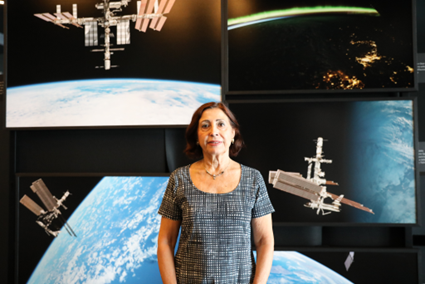
Barbara Negri, Deputy Director of Science and Innovation at ASI, has a Degree in Mathematics at the University of Roma “La Sapienza” and a Master’s degree in Space Systems Engineering from the University of Delft (Netherlands).
Since 2020, Barbara Negri has been appointed as Head of Human Flight and Science Missions Office of ASI. She is responsible for the development of scientific payloads for international collaborations (ESA, NASA, JAXA, etc.) and for conducting experiments on board the ISS.
Since 2018, she is the Head of the Italian Delegation to the ESA Science Program Board.
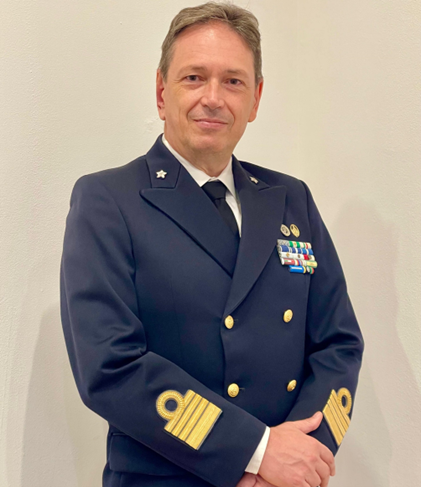

Captain Antonio Frigo was commissioned as an Italian Coast Guard Officer in 1998, after graduating from law school in 1997. He also holds a preparatory master’s degree for the diplomatic service.
He commanded Coast Guard stations in Arbatax (2007–2009) and Oristano (2018–2020) as a Lieutenant and Commander, respectively.
In 2020, he became Deputy Chief of Operations for the Coast Guard Directorate of Venice, and since 2025, he has served as Chief of Operations.
The operational activities under his command include search and rescue, maritime law enforcement, providing Vessel Traffic Services for ships entering and leaving the ports within the Directorate, monitoring fisheries activities, environmental protection, and pollution prevention in water bodies.
Carlo Bettanini is Professor of “Aerospace Flight Dynamics” at University of Padova and has almost 30 year experience in the development and testing of subsystems and instruments for space missions, stratospheric balloons and drone’s applications. He is the head of “Measurements for Space” Research Laboratory and coordinator of the Flight Dynamics team within the FLIGHTDS « Flight Dynamics and SpaceSystems » research group at University of Padova.
He is Vice Director of the Center for Space Activities , member of the Board of the Department of Industrial Engineering, member of the Board of Professors for the Doctoral School in Science, Technology and Measurements for Space (STMS) at University of Padova . He serves as appointed representative for University of Padova in USRA Council of Institutions, as trustee in the Council of European Aerospace Societies (CEAS) and is technical and scientific coordinator of the Veneto Regional Aerospace Innovative Network (RIR AIR).
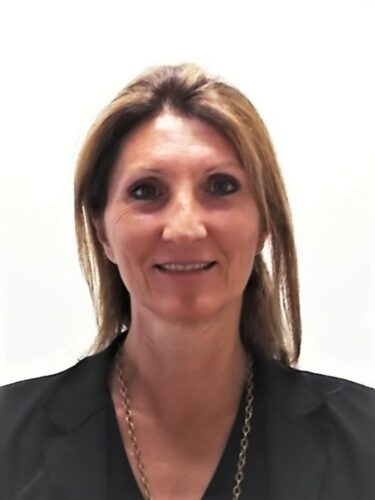

Caterina Bortolini is Director at Rheinmetall Italia, where she leads the development of two highly innovative and strategic areas for security: cyber solutions and the space domain, addressing the emerging challenges of the New Space Economy and the evolving cyber landscape.
She is an attorney specialized in European and international law. Over the course of her career, she has gained more than twenty years of experience in senior roles within the TIM Group, where she coordinated European and International Institutional Affairs and represented the company across a wide range of international digital-sector forums.
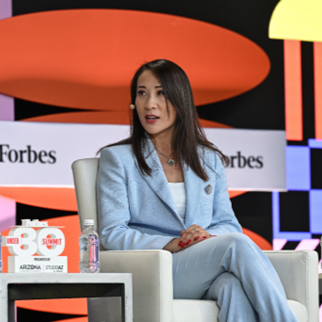
Cathryn Chen has over a decade of private investment experience. In 2023, Chen founded Radiate Ventures with General John Olson (USSF and ex NASA, Defense Innovation Unit) with the goal of backing diverse founders focused on building deeptech companies, covering subsectors such as space, semiconductor, robotics, and nuclear. Radiate Ventures has invested in companies such as Stoke Space, Xona, Vast, and Zeno Power. Ms. Chen is also the Managing Director of MarketX Ventures, a venture capital firm focused on growth to stage technologies investments, and the Founder & CEO of MarketX, a fintech company with the mission to revolutionize the private markets. In 2020, she launched MarketX Ventures, a growth to late-stage focused venture fund with 13 IPOs thus far.
Since April 2023 , Chen has served as Chief Financial Officer and Co-Vice Chairwoman of the Board of Directors of Aurora Technology Acquisition Corp, a $200M SPAC which took a medical devices company from Switzerland public on Nasdaq.
Prior to founding MarketX, Ms. Chen worked as an investment banker with prominent investment banks including Deutsche Bank, NM Rothschild, and JP Morgan in London, New York, and Hong Kong. Previously, Ms. Chen was also an early employee with EverString Technology (“EverString”), an ad-tech company backed by Sequoia Capital & Lightspeed Partners that was later sold to ZoomInfo. Ms. Chen is a nextgen member of the Committee of 100. Ms. Chen received her Bachelor’s degree from UCLA and the London School of Economics and Political Science.
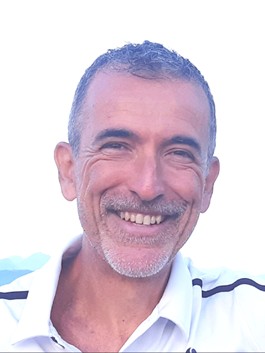
Cesare Lobascio graduated in Nuclear Engineering at Politecnico di Torino (Italy, 1987), and obtained a MS in Environmental Engineering at the University of California in Berkeley in 1993.
He has worked for >35 years at Thales Alenia Space in Italy, in the broad fields of Space Environment and Life Support Systems, covering a wide range of technical and management roles. He has been involved in the International Space Station project, on scientific satellites and human and robotic space exploration for the Moon and Mars.
He is Senior Expert in “Life Support & Habitability”, teaches at the Space Exploration Master SEEDS, authored more than 100 publications including papers, book chapters and 2 patents.
As the Innovation Leader for Space Exploration and Science, within the Innovation Cluster, he animates and coaches teams of innovation fellows through hackathons, creativity sessions, incubation of innovative ideas, ventures and open and business innovation initiatives with start-ups. He has co-founded and is currently supporting the FabLab and Space Business Catalyst accelerator hub in Torino.
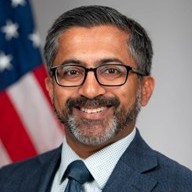

Chirag Parikh is the Founder and President of Indutara Space LLC, a global consultancy advising commercial, civil, national security space stakeholders as well as investment entities across the United States and internationally.
From 2021 to 2025, he served as Deputy Assistant to the President and Executive Secretary of the National Space Council, the senior most space policy official in the United States. In that role, he advised the President and Vice President of the United States on space matters across civil, commercial, and national security sectors. He led coordination across federal agencies, Congress, industry, and academia, and led U.S. engagements with international allies and partners.
Previously, he established Microsoft’s Azure Space business unit, integrating cloud computing and artificial intelligence into the space sector. Earlier in his career, he held senior executive roles at the National Geospatial-Intelligence Agency, overseeing global satellite collection and analysis operations, served as Director of Space Policy on the White House National Security Council, and was the Deputy National Intelligence Officer for Science and Technology. He holds a B.S. in Aerospace Engineering from the University of Cincinnati.
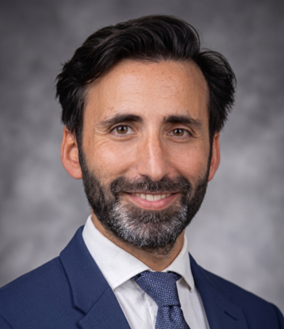

Ciro Daragiati Farinelli is the Future Programs Manager at Airbus Defence and Space, leading high-stakes dual-use programs within the Connected Intelligence division. He manages business-critical initiatives in secure Laser Communications and Earth Observation, facilitating international partnerships with companies, MoDs, and institutions. Ciro architects resilient, multi-orbit infrastructures designed to ensure European Space Sovereignty, providing secure connectivity and actionable intelligence for both institutional and sovereign missions. An Italian-German aerospace engineer, he holds an M.Sc. in Space Engineering from Politecnico di Milano.
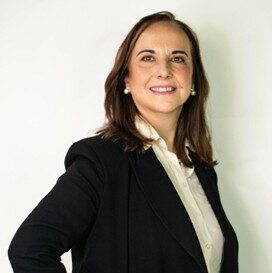

Cristina Leone is President of the CTNA, National Aerospace Technology Cluster since 2016. The CTNA is the national innovation pole, which includes the 15 main regional aerospace districts and the major industrial and aerospace research entities. Cristina is SVP Grants & Agencies at the Chief Technologogy and Innovation Officer in Leonardo.
Cristina has been nominated as one of the Inspiring Fifty 2021, Italian edition: the fifty most inspirational women in the world of technology. She has a degree in Electronic Engineering, Remote Sensing and Radar Systems from the University of Rome « La Sapienza » and started her career in the space sector back in 1996.
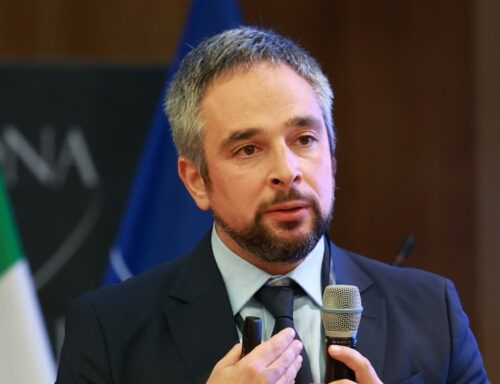

Daniele Ciriello has over 10 years of experience in innovation and business transformation.
He currently holds the role of Senior Client Executive with extensive knowledge in managing executive relationships, client transformation strategies and business processes, following industry best practices.
Daniele has strong methodological and technical know-how in driving sustainable digital transformation path, with particular experience in the Aerospace & Defense and Marine & Offshore industries.
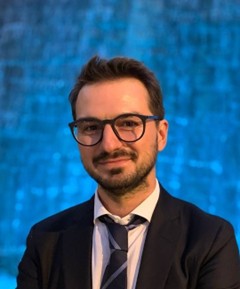
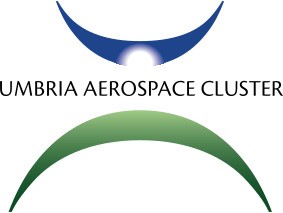
Daniele Dequal is Lead QKD Payload & User Segment Engineer for the SAGA program of the Connectivity and Secure Communication Directorate (CSC) at the European Space Agency (ESA).
Since 2013 Daniele has been active in the research field of satellite quantum communication, formerly at Padua University and subsequently as a researcher at the Italian Space Agency. During this 10-years activity he participated to the first experimental demonstration of satellite-to-ground quantum communication, the first single photon transmission from MEO orbit and later from GNSS orbit, and to the development of the first Italian Quantum Key Distribution (QKD) receiver for satellite applications.
In 2023, he joined ESA as System Engineer working for the IRIS2 program (Infrastructure for Resilience, Interconnectivity and Security by Satellite) and supporting the SAGA (Security And cryptoGrAphic mission) an EuroQCI (European Quantum Communication Infrastructure) as QKD expert.
Daniele received his M.S. in Physics at University of Padua in 2009 and his Ph.D. in Physics at University of Padua in 2013.
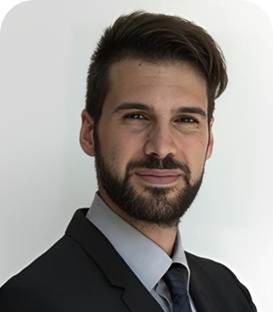
Currently also Board Member AIAD, Boad Member CTNA, Member Aerospace Technical Group Confindustria, Expert Panel Strategic Supply Chains Young Entrepreneurs Group Confindustria, Board Member Confindustria Umbria, President Young Entrepreneurs Group Confindustria Umbria. Has worked in the past in Corporate Finance KPMG. Holds BA and MBA LUISS Business School.
David Avino is the founder and CEO of Argotec, an internationally recognized Italian company and a leader in the design, production, and control of small satellites and their subsystems.
He holds degrees in Computer Science and Strategic Studies, attended the Military Academy of Modena, and served and served as Army Officer in the Airborne Brigade. From 2002 to 2008, he worked at the European Space Agency (ESA), contributed to Shuttle, Soyuz, and long-duration missions, and collaborating with NASA and Roscosmos programs.
In 2008, he founded Argotec, which quickly gained international recognition for its unconventional and visionary approach, reflected both in its business model and technological solutions, driving landmark innovations and achieving key milestones for the entire Space Industry. The company has received the NASA Award in 2016, the AIAA Mission of the Year 2023 with LICIACube, and in 2022 became the only company in the world to have two operational satellites simultaneously in deep space.
In 2024, Avino inaugurated the SpacePark: a smart factory and strategic innovation hub with an all-in-house and LAB2FAB approach. He also strengthened the company’s presence in the United States with a new production facility in Florida.
In 2025, Avino and his team set two additional records: the launch of HEO Pathfinder, the first satellite of the Italian Government’s Earth Observation Program, and the simultaneous launch of seven satellites for the same constellation – a European first, highlighting the excellence of the Italian Space Industry worldwide.
Avino serves on several boards of directors, has been cited by Forbes as one of Italy’s five most innovative space leaders, and is recognized as a Top Voice of the New Space Economy, with a crucial influence in both institutional and media spheres.
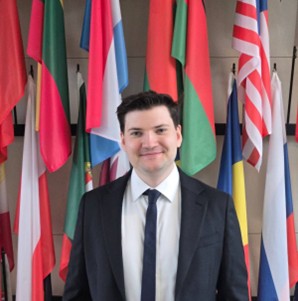

David Sulley is a Senior Space Systems Engineer, working within the Office of the Chief Engineer, at the UK Space Agency where he provides technical leadership across space systems engineering, assurance, and capability development. He previously served as Capabilities Lead for the UK National Space Operations Centre (NSpOC), supporting the development and integration of the UK’s civil operational space domain awareness capabilities.
David has expertise in government Space Situational Awareness (SSA), with a particular focus on developing and delivering SSA capabilities to support safe, secure, and sustainable space operations. His work spans capability definition, requirements development, and engagement with industry and international partners on future technical solutions.
He is actively involved in international SSA and space sustainability discussions, contributing technical insight to multilateral forums on SSA coordination and information sharing such as the UN Expert Group on SSA Coordination. David holds an MEng in Aerospace Systems Engineering and a Space Exploration Systems MSc.
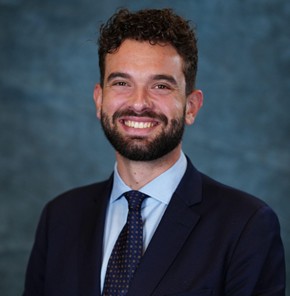

Davide Petrillo serves as the Managing Director for Europe, the Middle East, and Africa at the American Institute of Aeronautics and Astronautics (AIAA). He brings extensive international experience across the aerospace sector, having previously led Voyager Space Europe as Managing Director in Torino, after earlier roles as Business Manager at Alten Ltd in London and Business Analyst at Accenture in Milano. Davide was also elected Vice President for Education and Workforce Development of the International Astronautical Federation (IAF) in 2021. From 2020 to April 2023, he served as Executive Director of the Space Generation Advisory Council (SGAC), guiding one of the world’s largest young‑professional space networks through a period of significant growth. Davide’s early career included leading the FELDs experiment selected by the European Space Agency (ESA) for the Drop Your Thesis! 2014 program. In 2015, he and his team received the IAF Hans von Muldau Team Award for best team project at the 66th International Astronautical Congress (IAC). Davide holds an M.Sc. in Aerospace Engineering from the University of Padova, Italy.
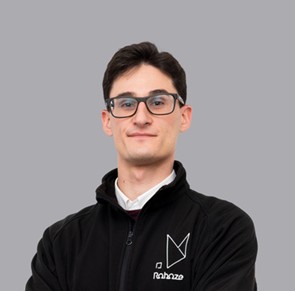

Biomedical Engineer by training and Additive Manufacturing expert by trade. Formerly Head of Application Engineering, I now drive Business Development for the Aerospace, Defense, and Mobility sectors at Roboze. I specialize in metal replacement with high-performance super polymers and composites through cutting-edge additive manufacturing solutions.
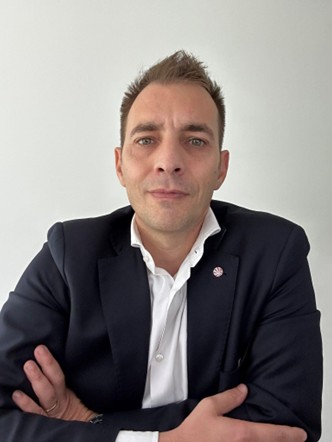

Diego Michielan is a Leonardo Helicopters senior Supply Chain and Procurement executive with over 20 years of international experience in complex, highly regulated industries such as Aerospace & Defence. He is actually VP Procurement and Supply Chain for systems and Equipment and head of Procurement of Swiss branch. He specializes in driving end-to-end value chain transformation, combining strategic leadership with deep expertise in process improvement and advanced analytics.Throughout his career, he has led large-scale initiatives in digitalization, advanced analytics and business process optimization, delivering measurable improvements in cost, performance and agility. He has extensive experience in reshaping complex, multi-tier global supply chains to enhance resilience, scalability and competitiveness.


Based in the in the Business and Innovation Directorate, Dr Barbara Ghinelli is Director of Innovation Clusters and Harwell Campus.
She is responsible for the development of the Harwell Campus at UKRI-STFC. Barbara has worked alongside the Joint Venture partners to establish Harwell as an exemplar public-private partnership model that has driven economic growth, fostered national and international collaborations, attracted inward investment, and advanced the frontiers of science.
Barbara established the Cluster Model, deployed at both STFC’s Harwell and Daresbury Campuses and NW of England, and oversees the implementation of the Cluster Strategy across the UK. This led to the creation of six thriving innovation clusters in Space, HealthTech, EnergyTech, Digital and a new cluster in Quantum. These clusters supported the generation of 1000’s of new highly skilled jobs and attracted 100s of fast growing new organisations to the UK. She is also engaged in the development of Regional Defence and Security Clusters working with the MoD.
Barbara joined STFC from EADS Astrium (now Airbus DS) in 2010 as Executive Director of Business Development. Her successes include the creation of the International Space Innovation Centre (now Satellite Applications Catapult) at Harwell and securing the first multi-million investment into the High Performance Computing Centre (the Hartree Centre) at Daresbury.
At EADS Astrium she managed Business Development across Europe for the €3.2 billion joint ESA / EU Earth Observation Programme for Global Monitoring of Environment and Security (now Copernicus). She secured a number of large contracts during her time at Astrium.
Barbara graduated in Electronic Engineering at the University of York, completed her PhD in Artificial Intelligence and Synthetic Aperture Radars at the University of Sheffield, and holds a Certificate in Management from the Open University.
Barbara is also a Board Member at the Rosalind Franklin Institute and Chief Scientific Advisor to Advanced Research Clusters (ARC), Brookfield Asset Management.
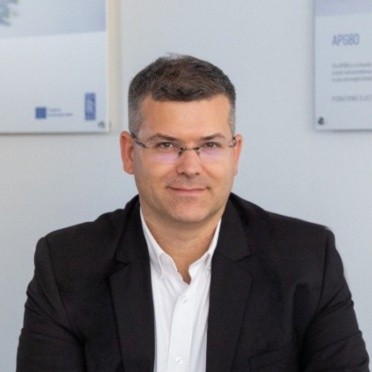

Dr. Gergely György Balázs graduated in Electrical Engineering from the Budapest University of Technology and Economics in 2007, followed by a degree in Engineering-Economics from Corvinus University in 2012. He received his PhD with summa cum laude honors in 2013. Since 2010, he has been a faculty member at the Department of Electric Power Engineering at BME, where he currently serves as Associate Professor.
Between 2014 and 2019, he served as Head of Research and Development at Siemens Hungary. In 2019, he was appointed Managing Director of Rolls-Royce Hungary Ltd., and in 2023, he also became Operations Director of the Rolls-Royce Electrical division, holding these positions until 2025.
In 2024, he founded eMotion Drive Technologies Ltd. (EMT), a company providing engineering solutions for the future of electric mobility. EMT offers professional services and consulting tailored to companies developing electric vehicle drive systems, with expertise covering the full development cycle from concept to execution, with particular specialization in Advanced Air Mobility and eAviation.
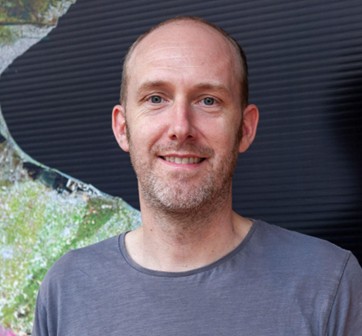

Edouard Royer is Program Manager for Planetek Italia, working within the Government and Security business unit.
Edouard is a senior aerospace engineer with 15 years of experience in the downstream and launchers segment within industry and national agencies. He currently acts as IRIDE Program Manager, with a special focus on the service segment and supporting the long-term sustainability of the IRIDE end-to-end system.
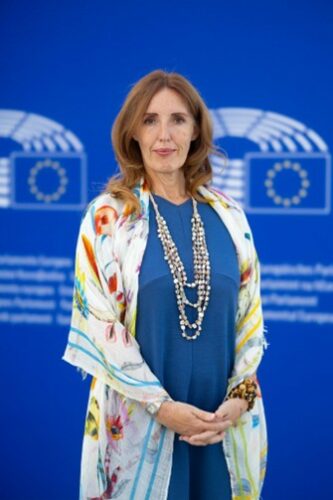

Elena Donazzan was elected Member of the European Parliament in June 2024, where she sits with the European Conservatives and Reformists Group, representing the Fratelli d’Italia party. She is a member of the Committee on Industry, Research and Energy, where she also serves as Vice-Chair, as well as of the Committee on Security and Defence and the Committee on Employment and Social Affairs. She also holds the position of Vice-Chair of the European Parliament’s Sky and Space Intergroup. Ms Donazzan serves also as the European Parliament Rapporteur on the EU Space Act.
Before becoming a MEP, she served for 19 years as Regional Minister for Labour, Education and Training in the Veneto Region.
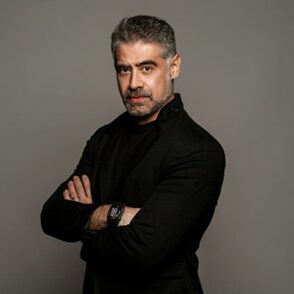
He regularly writes for Wired Italia, Il Sole 24 Ore, and ISPI (the Italian Institute for International Political Studies), and is a columnist for the Space Economy Institute in Rome. Since 2019, he has directed the space economy section of Forbes Italia, and until 2022 he was the author and host of “Forbes Space Economy,” a weekly program broadcast on Sky 511 and Tivùsat 61.11.
From 2020 to 2022 he was a communication consultant for the former astronaut of the European Space Agency (ESA), Paolo Nespoli. In 2020 he was scientific consultant for the documentaries Starman and Space Beyond, both dedicated to the “Beyond » space mission of the ESA astronaut, Luca Parmitano., and co-author and host of “Space Walks,” a space outreach program produced by Libero Produzioni TV and broadcast on Rai 4 and RaiPlay.
In 2022, he launched the podcast “AstroWired,” focused on the relationship between space and science fiction, which Amazon recognised as the “Breakthrough Podcast of the Year.”
Since October 2023, he has been the author and host of “Videogame – Molto di più in gioco,” a weekly podcast on video game culture produced by Radio24 (Il Sole 24 Ore Group). For Radio 24, he also launched in October 2024 “The Geopolitics of Space,” an original podcast co-written and hosted with Giampaolo Musumeci. Since April 2024, he has been co-author and host of “Countdown – From Space to Earth,” a weekly in-depth program on space and the space economy broadcast on Sky TG24. He is a UNICEF Italy ambassador and one of the protagonists of “Materia Viva,” a documentary produced by Erion and Libero Produzioni TV, which won a special Green Drop Award at the 80th Venice
International Film Festival. The film was nominated for the 2024 David di Donatello Awards (documentary category). In 2025, he received the “Luigi Broglio” Award, an honour recognising individuals who have made significant contributions to the development of national astronautics.
Among his most recent books: Io sono Pow3r, (2020, con Giorgio Calandrelli, Salani Editore), Spazio al futuro (2022, Leonardo/Bfc Books), Geopolitica dello Spazio (2024, il Saggiatore) e Camminare tra le stelle scritto con Luca Parmitano (2025, Feltrinelli).
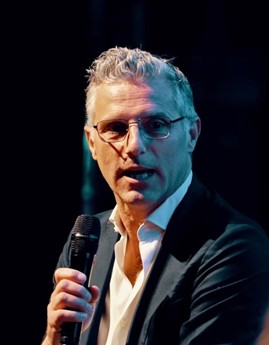

MBA-educated Industrial Engineer with more than 20 years of experience in leadership roles at multinational market leaders such as Microsoft, Apple and Accenture, supporting enterprise companies in their digital transformation and innovation journeys. He has now applied this extensive expertise also to the transformation and innovation of production processes, founding Addivate with a group of experienced Italian entrepreneurs, the leading Italian hub for additive manufacturing based on high-performance superpolymers.
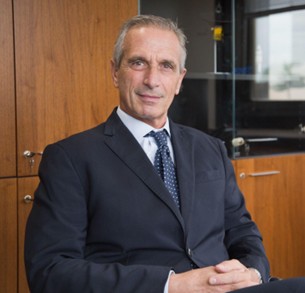
Enrico Zampolini Faustini held a Master’s degree in Electronic Engineering from the University of Rome “La Sapienza.” An expert in remote sensing, deep space missions, and radar payloads, he has led flagship Italian and International programs, ensuring both technical excellence and the achievement of key milestones. His expertise encompasses program management, business development, and proposal preparation. He has a proven track record of securing major contracts with the European Space Agency, the Italian Space Agency, the European Commission, and international customer. He has also been actively involved in teaching in the “Master in Satelliti e Piattaforme Orbitanti” program at the University of Rome “La Sapienza.” He is the author of numerous technical and scientific publications on space radar technologies, design, performance, and end-to-end system verification and validation.
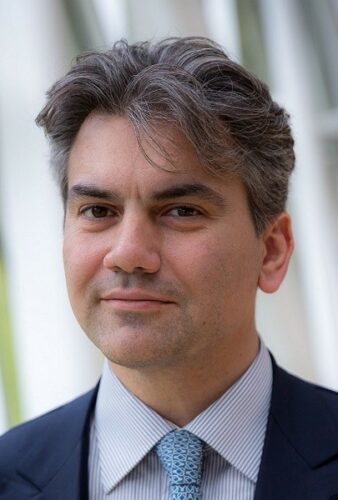

Fabrizio Morgera, Senior Investment Officer, European Investment Bank. Over 25 years of experience in both private equity and venture capital industry. He has worked for both mid-sized buy-out and growth capital private equity funds, covering the information technology and industrial sectors. In 2016 he joined the EIB’s Growth Capital & Innovation Finance team to further develop the Bank’s Venture and Quasi-Equity strategy. He is a graduate of the University of Roma Tre, Masters in Corporate Finance in Bocconi University and Executive Course in Space at ISU.
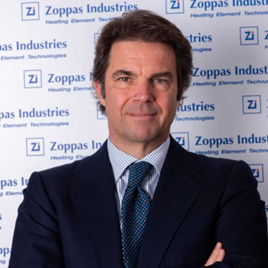

Born in Pordenone (Italy) in 1971. Married with two children.
He graduated in Sociology from the University of Urbino in 1994. Immediately after graduation, he moved to London where, following an initial experience at the strategic consulting firm OC&C Strategy Consultants, he joined the Corporate Finance team at Dresdner Kleinworth Benson for three years.
In 1998, he joined the Zoppas Industries Group. After completing a training program covering the entire value chain, from marketing to management control and production, he contributed to the Group’s globalization process through the opening of plants in Romania, Mexico, and China, as well as through the acquisition of companies in the USA, and in Europe.
In 2001, he was appointed General Manager of I.R.C.A. S.p.A. – Zoppas Industries Heating Element Technologies, a company that manufactures heating systems and electronic temperature control devices for domestic and industrial applications.
In 2023, he was appointed Managing Director of Zoppas Industries Heating Element Technologies.
He serves on the Board of Directors of I.R.C.A. S.p.A. – Zoppas Industries Heating Element Technologies. He is a member of the Board of Directors of PFH (Palladio Financial Holding).
He is a member of Board of Directors of Fhiaba S.r.l. (a company that produces high-end domestic refrigerators). He is a member of the Aerospace Technical Group of Confindustria.
He is Chairman of the “Large Industria” Committee and a member of the Board of Confindustria Veneto Est, with a specific mandate for the space economy. He is also President of the Regional Innovative Network for Aerospace Innovation and Research (RIR AIR), which brings together aerospace companies in the Veneto region.
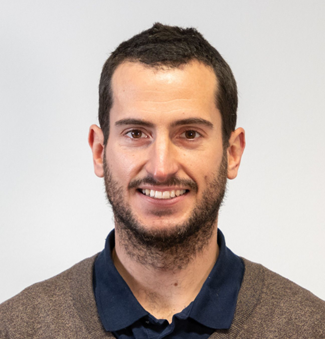

Filippo Campagnaro received the Ph.D. degree in information engineering in 2019 from the University of Padova, Padova, Italy.
In 2014, he joined the SIGNET Group, Department of Information Engineering, University of Padova, as a Research Engineer. In October 2019, he joined the Department of Information Engineering, University of Padova, as a Postdoctoral Researcher and Lecturer of ICT master courses. He is currently a Research Assistant Professor with the same department and co-founder of SubSeaPulse SRL, a startup company developing innovative solutions for underwater communications and wireless sensors for studying biodiversity and climate change in coastal areas.
His research activity involves the design and evaluation of secure multimodal underwater optical and acoustic networks, with a particular focus on simulation and field experimentation. Filippo has developed several research and industrial prototypes and has participated in over 20 sea trials with NATO STO CMRE (La Spezia, Italy), EvoLogics GmbH (Berlin, Germany), the IMDEA Network Institute (Madrid, Spain), the University of Haifa (Haifa, Israel), and the CSSN of the Italian Navy (La Spezia, Italy). He was one of the technical managers of the MarTERA RoboVaaS project and collaborated with the European Defence Agency project SALSA.
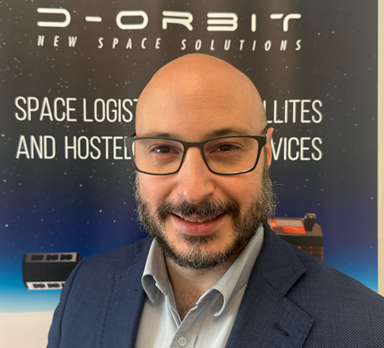
Filippo Bellizzi is Senior Manager and Head of the Delivery branch within the Space Cloud Business Unit at D-Orbit. He is a senior professional with over ten years of international experience in the aerospace sector, with a strong focus on commercial markets and mission management.
After successfully delivering multiple satellites to orbit and leading the Optical Intersatellite Link project, Filippo now leverages his expertise to operate D-Orbit’s ION fleet, equipped with intelligent nodes onboard. Through this role, he contributes to providing a wide range of services, from in-orbit testbeds for onboard software to the Intelligence Logistics continuous data flow for D-Orbit customers.

Francesco Borghese is an experienced electronics engineer with over two decades of expertise in maritime communication systems. Since 1999, he has been working at Elman S.r.l., leading complex international projects involving AIS and GMDSS technologies for clients such as EMSA, the Italian Coast Guard, and various global maritime authorities. He has successfully managed large-scale system design, deployment, and integration across Europe, Africa, and Asia, including national AIS networks and regional data exchange platforms.
Francesco combines strong technical knowledge in embedded systems and digital communications with proven leadership in multidisciplinary teams. He is an active contributor to international maritime standards through IALA and IEC committees, and holds a Master’s degree in Electronics Engineering from the University of Rome “La Sapienza.” He is currently Head of R&D Department at Elman S.r.l..

Business Manager with 27 years in the aviation and aerospace industry in major national companies, with international attire.
Professional experience starts in Aermacchi (now Leonardo Aeronautics Division – Aircraft BU) under Quality, Systems Development Mangement and Procurement for new Aircraft Trainers at the state of the art technology
It follows in Piaggio Aero Industries as Aircraft Production Manager and Program Manager for the new UAV and Patrolling products and subsequently ending up as General Manger in OMA – Officine Meccaniche Aeronautiche, one of oldest Italian companies operating in Aerospace for equipment production, aerostructures and MRO.
Currently Aircraft General Manager in Baykar Piaggio Aerospace, leading the re-launch of the most performing and premium turboprop in the world: P-180.
Skilled in Quality Management, Systems Engineering, Quality Assurance, Management, and Lean Manufacturing. Strong operations professional with a e-learning MBA accredited ASFOR « BeST » focused in General Management from Finmeccanica – IRI Management.
Francesco Longo is Deputy Director of the Engineering and Technology Directorate, Head of the Earth Observation Office, National Delegate to the ESA Earth Observation Programme Board (PBEO), and Expert to the EU Copernicus Committee.
Born in Italy in 1971, he holds an M.Sc. degree in Aerospace Engineering from the Politecnico di Torino, as well as an M.Sc. degree in Astronautical Engineering and a PhD in Aerospace Engineering from the University of Rome “Sapienza”. He also completed a Master in Space Systems Engineering (MSSE) at Delft University of Technology (The Netherlands).
He started his professional career at ASI in 2006, where since 2015 he has been in charge of the Programme Office established for national Earth Observation (EO) missions and the COSMO-SkyMed Second Generation (CSG) SAR constellation.
Between 2013 and 2015, he served as Programme Manager for several EO missions, including the hyperspectral mission PRISMA and the PLATiNO missions, featuring mono- and bi-static SAR as well as multispectral thermal infrared sensors.
Previously, from 2006 to 2013, he was responsible for a number of planetary exploration programmes carried out in collaboration with NASA JPL (e.g. JIRAM and KaT instruments on the Juno mission, launched in 2011) and with ESA (e.g. SIMBIO-SYS, ISA and MORE instruments on the BepiColombo mission to Mercury, launched in 2018).
From 1998 to 2005, he worked at the “San Marco Project” Research Center of the University of Rome “Sapienza” in Malindi (Kenya), where he was responsible for the in situ geophysical station (including atmospheric ozone sounding within the NASA SHADOZ programme) and the X-band remote sensing station.
He’s a father of three children, Carla, Alessandro, Alfredo 10, 13 and 15.
Francesco Pirotti is a Professor of Geomatics at the University of Padua. He is affiliated with the Department of Land, Environment, Agriculture and Forestry and with the Interdepartmental Research Center of Geomatics. He holds several scientific and institutional roles in professional societies within the field, both at national and international level.
His research activity focuses on the acquisition, analysis, and management of metric and thematic data, with particular attention to data derived from remote sensing techniques. He is involved in various education and science outreach initiatives, including summer schools (such as the Earth Sensing Summer School and the Sensing Mountains Summer School) and master’s programs (such as the Master’s in Geospatial Data Science for the health of humans, animals, and the environment), developed in collaboration with other departments and international universities.
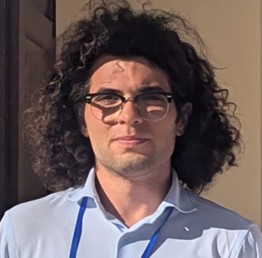

An Aerospace Engineering student at the University of Naples Federico II, Francesco combines academic research with entrepreneurial experience in the space sector. Starting from amateur rocketry and 3D-printed motor manufacturing, he co-founded Space Frontier after obtaining his Bachelor’s degree. As CTO, he leads research on new bioplastics for hybrid rocket motors and satellite propulsion. He further expanded this research by participating in Project Ad Astra at the School of Aerospace Engineering (Sapienza University of Rome), investigating bioplastics for air-breathing engines in supersonic and hypersonic regimes. Interests: Sailing, contemporary history, and politics.
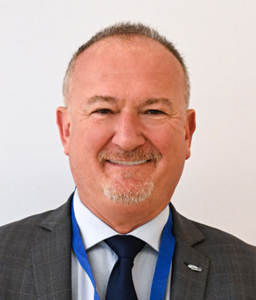

Franco Boldrini joined OHB Italia in 2023 as Chief Business Development and Sales Officer. Thanks to his seniority and extensive knowledge of the space market, he also supports the CEO in defining the Company’s growth strategies.
Previously, he was responsible of Leonardo Space International Market Business Development.
He began his career at Officine Galileo Firenze (later merged with Leonardo) working as a systems engineer for electro-optical systems. After a period when he worked as program manager, he moved to sales and in 2012 became head of sales for all Leonardo Space products.
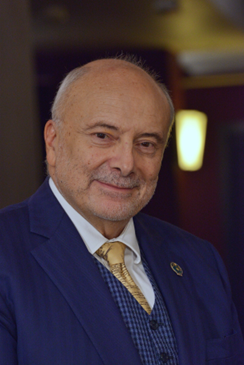

Franco Malerba is the first Italian astronaut: he flew in space with the Space Shuttle Atlantis from July 31 to August 8, 1992, carrying the Eureca automated laboratory and the Italian Tethered Satellite.
Franco Malerba is a founding partner of Space V srl (www.spacev.bio), an innovative startup that designs and develops a patented greenhouses for plants biology research in microgravity and sustainable cultivation of plant-based food in space.
Freelance journalist Malerba contributes to the diffusion of the scientific culture by organizing the annual Busalla Space Festival (www.festivaldellospazio.com ).
A graduate in Electronic Engineering and Physics from the Genoa Unit, Franco Malerba served as a Reserve Officer of the Italian Navy.
Throughout his very varied career he was an associate researcher at the CNR (Italian National Research Council), a research fellow at the National Institutes of Health, Bethesda, Md. (USA), a visiting scientist at the ESA Space Science Department (ESTEC), Noordwijk (NL) and an ASI employee during the astronaut training in Houston.
Was a manager at Digital Equipment and at Alenia Spazio; was science and energy advisor attached to the Italian Mission to OECD, AIE and ESA in Paris.
Elected to the European Parliament for the IV Legislature (94-99) he served as a Member of the Research and Industry Committee and of the EU-US Delegation.
Giacomo Colombatti is an experienced researcher with more than 20 years of activity at the Center of studies for Space (CISAS) “G.Colombo” of the University of Padova and an associate professor at the Department of Industrial Engineering. He is expert in space sensor development (from designing to realisation to testing) and in planetary atmospheric data analysis. He was the Lead CoI for the MarsTem temperature sensor for the Exomars2016 mission and was involved in testing campaigns conducted in Mars like environments. He is currently working on developing space instrumentation for Astrobiology (Venom Project).
He is specialized in analysis of data for planetary probe trajectory reconstruction; he is also skilled in space tether modelling and in the analysis of the dynamics of the system; he also participated in several EU funded projects.
He also studies the dynamics of lighter than air vehicles, both for earth and space applications.
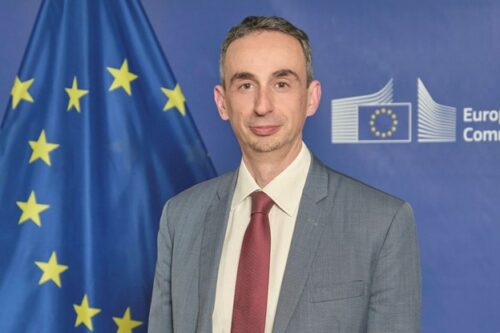
Giancarlo Granero is the Head of the Space Economy Unit of the European Commission in Brussels, within the Directorate-General for Defence Industry and Space (DG DEFIS).
He held several positions at the European Commission, both in central services and in industry-focused departments. Prior to that, he acquired early professional experience in Italy, both in large and small companies and as an independent consultant.
Mr. Granero holds a master degree in environmental engineering, following studies at Politecnico di Torino, and a DES in Interdisciplinary analysis of the European construction, obtained in Belgium.
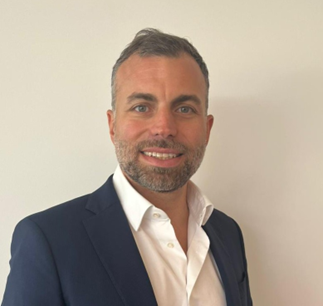
Gianluca Cerrone has been Argotec Head of Sales business Development since September 2025. Before joining Argotec, he served as General Manager of Starion Nederland, where he drove revenue growth, built strategic client relationships, and collaborated across Starion and Nexova to support group-wide initiatives. His career path includes significant roles, from hands-on engineering and business development at Thales Alenia Space, ESA ESTEC, and RHEA Group, particularly on ISS-related projects, to strategic leadership in growing teams and business operations. He has over 18 years of expertise in leading complex, high-stakes projects within the European space sector, grounded in a solid academic foundation with an MSc in Aerospace Engineering. He further enhanced his leadership profile with an Executive MBA and the High-Performance Leadership programme at IMD.
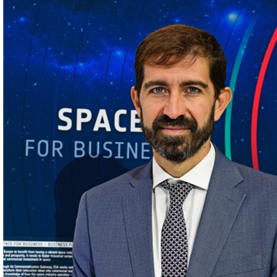
Dr. Gianluigi Baldesi is the Head of the Ventures and Financing Office at the European Space Agency, where he leads initiatives to enhance access to investors, financial institutions, and deal-flow opportunities for the space sector through the ESA Investor Network. His work includes fostering collaborations with the European Investment Bank, national development banks, and the European Commission. He also plays a key role in helping companies scale up by driving commercial growth and investment readiness through various initiatives, including the ESA Marketplace and ESA Business Accelerator.
With over 20 years of experience in business and technology leadership for future aerospace missions in cross-cultural environments, Gianluigi has held various positions within ESA, including in the Technical and Space Transportation Directorate and the Strategy Department under the Director General.
He holds a PhD in Systems Engineering from Supaero and Sapienza University of Rome and an Executive MBA from Columbia Business School and London Business School.
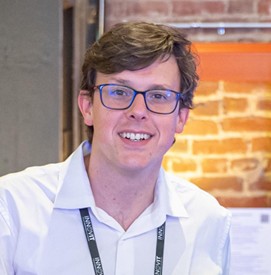

Aerospace engineer with a PhD in Industrial Engineering, Gianluigi Mistè has over 15 years of experience in advanced design, numerical simulation, and experimental development, with a particular focus on numerical modeling and optimization of complex systems for aeronautical and helicopter applications. He conducted research activities with the University of Padova, focusing on air propulsion and turbine optimization for aerospace and rotorcraft applications. He received the Best Paper Award in the propulsion session of the American Helicopter Society Conference (Phoenix, 2013) and was nominated for the Leonardo Innovation Award (2019) for the results achieved in the PROSIB project, in collaboration with Leonardo SpA.
He served as Senior R&D Engineer at T4i Srl (a company partly owned by Avio SpA), where he led the development and testing of rocket engines, working on design, simulation, and experimental validation.
In 2019, he co-founded Nablawave, an advanced R&D engineering company, where he has led innovative projects on stratospheric platforms, electric marine propulsion, and advanced components for aerospace applications.
Currently, he is also responsible for business development at Spaider, with the goal of transforming engineering design through the integration of AI-based tools, enabling faster, more accurate, and more intelligent product development.
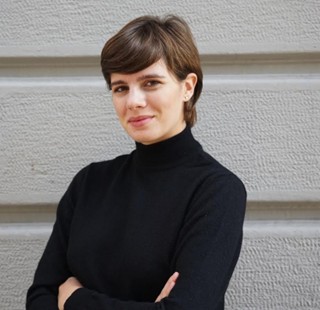

Giorgia Manca is the Strategy & Growth Manager at REA Space, an Apulian startup developing advanced technologies to protect human health in space. With a managerial background and experience in the innovation ecosystem, she is responsible for shaping the company’s strategy and driving its growth, with a particular focus on technology transfer to terrestrial applications.

Giorgio Boscheri is an Aerospace Engineer who has been working since 2008 at Thales Alenia Space in the Exploration and Science Domain Italy. Since then, he has been involved in research and development of advanced life support systems for space exploration, based in Turin. His fields of specialization and technical responsibility include bioregenerative systems, with a particular focus on solutions that use higher plants to regenerate vital resources and produce food, as well as water treatment technologies. He has managed several national and international projects, most of them for the European Space Agency and the Italian Space Agency. Currently, he is the Project Manager of two projects, ESA PFPU and ASI MICROx2, aimed at bringing plant cultivation in low Earth orbit and on the lunar surface to the next milestone: demonstrating the reliable production of edible plants for astronauts.
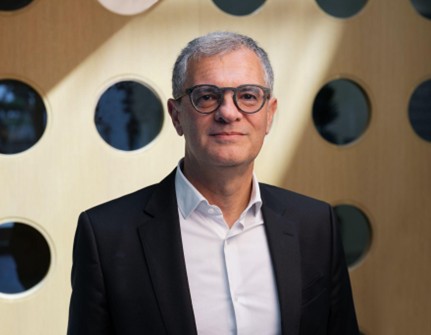

Giorgio Saccoccia cumulates nearly 40 years of space agency leadership experience, including the presidency of the Italian Space Agency (ASI), and the Head of the Propulsion and Aerothermodynamics Division and the Special Advisor to the Director General at the European Space Agency (ESA). He has pioneered several aerospace milestones for Europe, especially in the field of propulsion while at ESA, leading R&D in advanced propulsion concepts for both spacecraft and launchers. At ASI, he was instrumental in growing Italian institutional space programs, resources, and strategy.
As of April 2026 Saccoccia has joined VAST Space as President, Europe, contributing with his experience to the development and introduction of the first commercial space station.
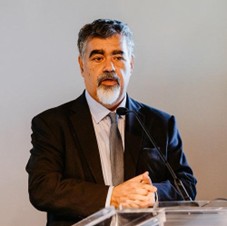
Eng. Giovanni Campolo is currently Vice President Smart Space Factory special project in Thales Alenia Space Italy.
In 1990 he graduated in Electronic Engineering in Systems Automation at the “La Sapienza” University of Rome and in 1993 a post-graduate degree in “Mathematical Theory and Method for Systems Analysis and Control”.
He has been working for Thales Alenia Space (TAS) since 1991, covering increasing responsibilities in various engineering departments (such as Attitude and Orbit Control, Data Handling, Electrical System and Platform engineering). He was also responsible for the design, development and testing of some relevant systems such as the avionics of many satellites for telecommunications or earth observation missions for institutional or commercial clients. Since 2016 to 2023 he has been appointed CC Platform and Integration Director in TAS Italy. He has also been responsible for many R&D projects mainly in avionics and platform products.
Giovanni has presented several articles on Journals and Conferences. His main areas of expertise are systems engineering, systems and subsystem testing, space systems, avionics, data management, FDIR, electrical systems and operations. In 2013 he was appointed in Thales Alenia Space Senior Expert in Satellite, Platform and on board control systems.
He was in 2022 as guest lecturer responsible of a module on “Space Dynamics & Systems Design” at the Bradford University in the frame of MSc Satellite Systems Engineering Course.
He has taught in two Masters programme in Space Technology in two different Universities: Rome “Tor Vergata” and Rome “La Sapienza”.
Giovanni De Angelis is a space scientist and technologist with extensive contributions to planetary science, space radiation protection, mission safety, and biomedical applications. He has collaborated with major agencies such as NASA and ESA and contributed to the development of Geodetic Photometry for analyzing celestial bodies. His early work included astrometry at the Bureau des Longitudes and asteroid and Mars mission studies at ESA’s ESTEC, where he compiled the first European catalog of Martian landing sites. He worked on the BeppoSAX mission for the Italian Space Agency and later at the Italian National Institute of Health, developing methods to assess radiation exposure in aviation, which he extended to astronaut safety.
At NASA Langley, he created advanced models of high-energy particle propagation and pioneered time-dependent radiation models for long-duration missions, still used today. Since 2011 he has led major technological programs, including satellite telecommunications, supercomputing, and AI-based medical applications. Since 2021, he has been at Space Systems Solutions (S3) Ltd. in Cyprus, becoming CEO in 2025, where he leads scientific, technical, and managerial activities and personally contributes to EU Horizon projects as the Principal Investigator for e-FORESTER and as responsible for S3 Ltd. for VERDEDRIVE. He has published over 400 papers, serves as editor of two scientific journals, participates in major international conferences, and has received multiple awards, including from NASA and the European Geophysical Society.
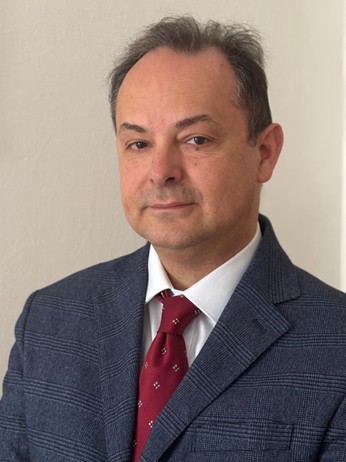

Giovanni Lucchi joined the EU Agency for the Space Programme (EUSPA) in 2014 and currently has the role of Marked Development and Innovation Officer for the Space Market Segment within the MDI Department. He holds a degree in Telecommunications Engineering from the university of Bologna, Italy. Prior to joining EUSPA he worked for ESA in the TIA directorate and for Thales Alenia Space where he has held various positions including the Assembly Integration and Testing management of COSMO SkyMed first generation satellite #3 and the Kompsat-5 payload for KARI.


Giovanni Martucci di Scarfizzi graduated in Telecommunications Engineering from the University of Florence in 2007.
He began his career the same year at ALTEC, a company jointly owned by Thales Alenia Space and the Italian Space Agency (ASI), where he held various technical and programme management roles. In 2018, he was appointed Head of Business Development and Sales.
In 2022, he joined Starion Group as Business Development Manager in Italy, focusing on new initiatives aimed at expanding the Group’s activities beyond its traditional ESA perimeter. Since June 2025, he has served as Sales Director Europe for Starion Group.
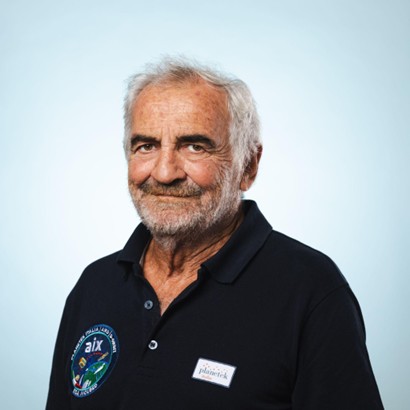

Chief Executive Officer at Planetek Italia and BoD Member of D-Orbit S.p.A. He is also Vice Chairman of EARSC, and Board member of SME4SPACE and AIPAS.
Degree in Physics. He is an author of several economic and scientific publications on space economics and space systems. Since 1984, he cooperated in Earth Observation projects with ASI and NASA. He was a director of the ASI Center of Space Geodesy. He has been an Italian Delegate at the ESA’s EO Program Board and Professor at IUAV, University of Venice, Italy.
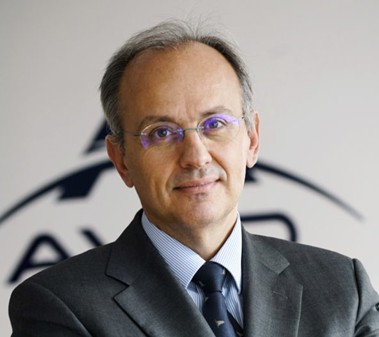

Giulio is CEO of Avio SpA since October 2015. He is also a board member of Arianespace SA, Europropulsion SA and Regulus SA in France. In 2016 he founded In-Orbit SpA, and investment vehicle through which he co-invested with 50 Avio managers, acquiring a 4% share of Avio’s capital. In 2017 he listed Avio on the Milan Stock Exchange on the STAR segment with over 70% free float.
From 2011 to 2015 he was Senior Vice President Corporate Strategy of the Avio Group and worked on the de-merger of the aero-engine business, which was sold to General Electric in 2013. In 2014-2015 he supported the post-merger integration with GE Aviation.
Between 2007 and 2011 he was Co-General Manager and CFO of the Italian activities of Cementir Holding, an international group operating in the building materials industry.
Giulio started his career in Booz Allen Hamilton, a global strategy consulting firm where he worked in the period 2000-2007 as Associate, Senior Associate and Principal within the Global Aerospace&Defense practice for several clients in Europe, US and Middle East.
Giulio holds a Laurea cum laude in Civil Engineering from the University of Rome and a PhD in Structural Engineering from a joint program between the University of Rome and the University of California San Diego (UCSD). Between 1996 and 1999 he was a Graduate Research Assistant and Development Engineer at the University of California San Diego and he has co-authored a number of scientific publications on international journals in the domain of Structural Engineering.
Giulio was born in Rome in 1971, he is married and he has two children.
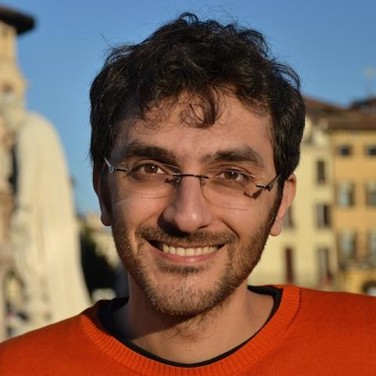
Giuseppe Vallone is Full Professor of experimental Physics at the University of Padova, at the Department of Information Engineering. He has more than 135 publications in the area of quantum communication and quantum information. He served as responsible for the Univ. of Padova in several international projects and he was the coordinator of the EU projects QUANGO and QUDICE. He is also co-founder and CTO of ThinkQuantum, a Spin-Off of the University of Padova pioneering a new generation of cyber security and communication systems based on quantum technology.
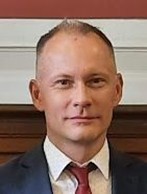
Grzegorz Borkowski, Ph.D., Eng. is a researcher, innovator, and academic teacher. He serves as the Head of the Chair of Tourism and Recreation at the Faculty of Geographical and Geological Sciences, Adam Mickiewicz University (AMU) in Poznań. He holds a doctoral degree in Earth and environmental sciences, an engineering degree in geodesy and cartography, and a master’s degree in environmental management.
In his scientific and research work, he interdisciplinarily combines physical limnology, environmental engineering, and the geography of tourism. Furthermore, he conducts advanced applied research in the field of multimodal deep learning. He is the author of numerous scientific publications, and his main achievements to date include material innovations within the circular economy (e.g., the upcycling of carbonate lake sediments in biocomposites for 3D printing) and the development of hydrological research methodology.
As a scientist with a strong focus on applied research, Dr. Borkowski is the creator of numerous patents and utility models, including innovative solutions supporting the creation of safe, mobile bathing areas. Currently, he also serves as the project manager for the prestigious MSCA E-Forester project and is the head of an implementation grant.
Beyond his research activities, he is actively involved in university life, serving as an AMU Senator, a member of the AMU Intellectual Property Committee, and a co-creator of the « Dni Turystyki » (Tourism Days) travel festival.
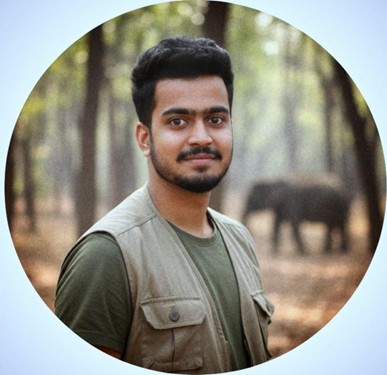
I am a passionate researcher working to understand how climate change reshapes species habitats and ecological interactions. My work integrates remote sensing, spatial modeling, collaborative research, and community-based conservation to bridge data-driven science with field realities. I have led large-scale human-elephant conflict mitigation programs involving over 500 farmers, developed climate-informed species distribution models, and contributed to various other projects. I am pursuing a PhD at the University of Padua and currently in collaboration with Wageningen University & Research, Netherlands. I focus on modeling habitat dynamics of keystone species under future climate scenarios in order to develop climate informed landscape restoration policies. I bring strong analytical and spatial modeling skills with experience in QGIS, ArcGIS, R, MaxEnt, STELLA, Zonation, and Python. A part of my work contribution regarding elephant conservation was featured in a short NatGeo documentary highlighting human-wildlife coexistence in the Western Ghats of India, and my ongoing research in South Africa explores elephant habitat utilization following fence removal in Kariega Game Reserve.

Hirokazu Mori is Group Chief Strategy Officer at Warpspace and CEO at Warpspace USA. He has been working as a space business consultant for national and international governments and large companies in the space sector and has also been serving as a board member, director, and advisor for several national and international companies and associations. He graduated at the top from the University of Edinburgh, reading theoretical astrophysics. He has received funding from the Royal Society of Edinburgh to conduct research in theoretical astrophysics at the University of Cambridge (a modified theory of general relativity that can be tested with directly observed gravitational wave signals).
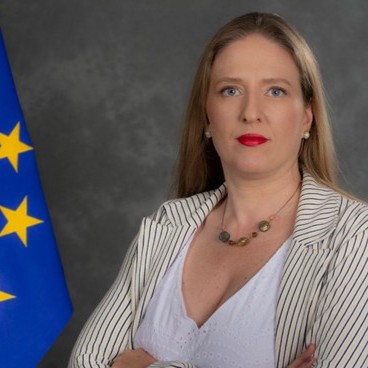
Ms Poldrugo is Deputy Head of Unit at the European Commission – Directorate-General for Defence Industry and Space (DEFIS), responsible for EU Space Policy. Objective of the unit is to design and ensure a coherent and overarching EU Space policy, including the preparation of the European Competitiveness Fund and Access to Space, and coordinate the preparation, monitoring and implementation of the EU Space Programme.
Before joining the Commission in 2019, Isabella spent ten years in the European Parliament as policy advisor to Members of the European Parliament, dealing with dossiers on energy, industry and trade. She served also as policy advisor to the Italian Minister of Defence and to the Undersecretary of State for Defence.
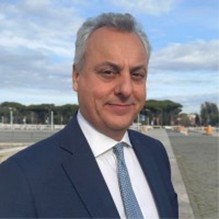

Following a competitive examination, appointed Secretary of Legation on probation in the diplomatic career, December 29, 2000. Attended the Diplomatic Institute, professional training course, January 8 – September 28, 2001 (in application of the Directorate General for Promotion and Cultural Cooperation, Office VI, and the Directorate General for the Americas, Office I). Confirmed in position from September 29, 2001, and appointed Secretary of Legation. Assigned to the Directorate General for Promotion and Cultural Cooperation, Office II, October 1, 2001. Assigned to the private office of the Undersecretary of State, July 28, 2003. Second Secretary in Cairo, September 7, 2004. Confirmed at the same post with functions of First Secretary, December 29, 2004. Commercial First Secretary in Santiago, August 11, 2008. Confirmed in Santiago with functions of First Secretary, October 1, 2010. Legation Counselor, July 2, 2011. Confirmed in Santiago with functions of Counselor, November 25, 2011. Entrusted with the functions of Head of Office V of the Directorate General for Globalization and Global Issues, February 1, 2013. From November 2013 to May 2014, attended the professional development course for Legation Counselors at the Diplomatic Institute of the Directorate General for Resources and Innovation, as provided by Article 51, paragraph 1(a) of Law no. 96 of June 4, 2010. Embassy Counselor, July 2, 2015. First Counselor in Bangkok, September 21, 2015. First Counselor in Washington, August 6, 2018. Confirmed at the same post with functions of Commercial First Counselor, February 1, 2019. At the Ministry, September 11, 2023. On secondment to serve at the Ministry of University and Research as Diplomatic Counselor to the Minister, September 19, 2023. Minister Plenipotentiary, January 2, 2024.
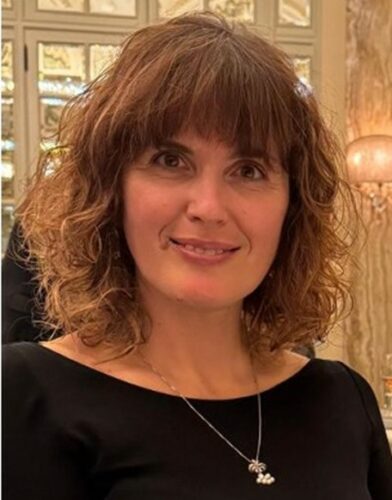

LAURA FERRERO, graduated in Aerospace Engineering from the Polytechnic University of Turin, where she earned a PhD in Composite Materials, began her career in Aerospace as a composite structures specialist. She subsequently worked in various sectors, such as automotive, oil and gas, space, and aviation, holding roles ranging from development to production, project and program management. In recent years, her career has shifted toward strategy and business development, serving as Marketing responsible at Italdesign, as Global Business Director at Icona Design Group, and as Strategy and Product Marketing Manager at Avio Aero, a GE Aerospace Company. Currently she is Head of Business Development, Sales, and Chief Contract Officer at ALTEC S.p.A.
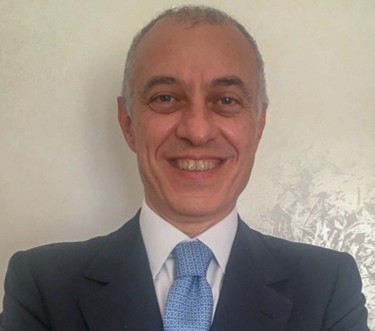
Commissioner of State Police
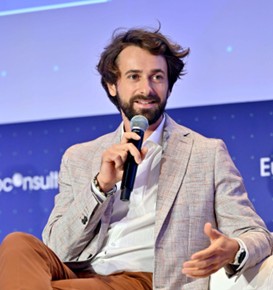

Lorenzo Feruglio, PhD: Lorenzo is the Founder and Chief Executive Officer of AIKO. Under his guidance, the company became leader of space automation technology in Europe, grew to over 60 employees, and expanded into international offices. He holds a PhD in Aerospace Engineering at Politecnico di Torino, Italy, with a thesis on Artificial Intelligence to enhance Small Satellites Mission Autonomy (2017), and has several international experiences, such as two years at NASA JPL in USA, and in SES, Luxembourg, a leading space telecommunication company.
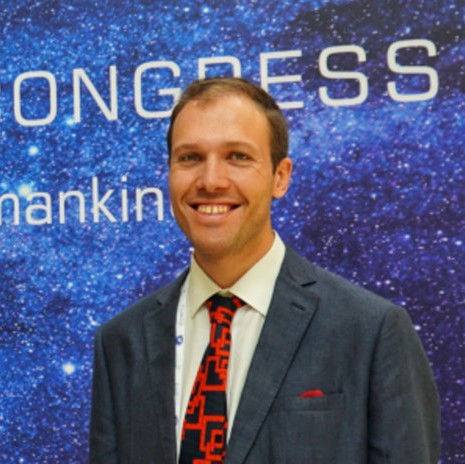
Lorenzo Olivieri is a Research Associate (RtdA) at the Department of Industrial Engineering of the University of Padova. As part of the Italian Space Agency delegation at the Inter-Agency space Debris Coordination committee (IADC), he is acting as Deputy Chairman of the Working Group 3 – Protection. His research interests include space debris protection and orbital sustainability, small satellites technologies, and balloon systems. He is author of more than 40 papers published on peer-reviewed journals.
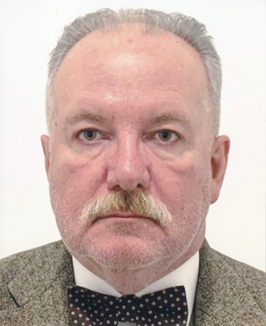
Lorenzo Vangelista received the “Laurea” degree in 1992 in Electronics Engineering and the Ph.D. degree in Telecommunications and Electronics Engineering in 1995, both from Padova University, Padova, Italy. Lorenzo Vangelista received as well an executive MBA in 2004 from the Bologna Business School, Bologna Italy and followed an Executive education program at the Babson College, Boston (MA), USA. In July 2024, he received a Laurea degree in Law and Technology from the School of Law, Padova University, Padova, Italy.
He was with CSELT (now Tilab, Turin, Italy) from 1995 to 1996, where he conducted research on optical networks and techno-economic evaluations. He joined Telit Mobile Terminals (Trieste, Italy) at the end of 1996 as a GSM layer 1 designer, leaving in 2001 when he was head of the advanced developments department, conducting research on second and third generation mobile telephony, from the physical layer to protocol and services implementation. In 2002, he joined Microcell A/S (Copenhagen, Denmark), where he started a design center for 2.5 G mobile phones from scratch, working for major brands and reaching 90 employees in the middle of 2003. He then joined the worldwide organization of Infineon Technologies, where he worked as a program manager for the first mass-produced single GSM/GPRS single chip (including both baseband, protocol stack, applications, and RF processing) in CMOS. In October 2006, he joined the Department of Information Engineering, Padova University, as an associate professor of telecommunications. He became a Full Professor at the Department of Information Engineering Padova University, Padova, in 2021.
His research interests include wireless communications, mostly at the physical layer. Lorenzo Vangelista published more than a hundred journal and conference papers, all peer reviewed, which received more than 16000 citations (Google Scholar).
In January 2009, Lorenzo Vangelista, together with Prof. Michele Zorzi, established Patavina
Technologies s.r.l, a spin-off company from Padova University, focused on LoRaWAN technology. He was on the Board of Directors and CEO of Patavina Technologies until the company was successfully sold to A2A Group, listed on the Milan Stock Exchange.
In 2017, Lorenzo Vangelista, together with Prof. Michele Zorzi, established Wireless and More s.r.l, a spin-off company from Padova University, focused on wireless technologies. In 2024, Lorenzo Vangelista, together with Prof. Michele Zorzi and Prof. Filippo Campagnaro, founded SubSeaPulse s.r.l., a spin-off company from Padova University developing innovative solutions for underwater communications.
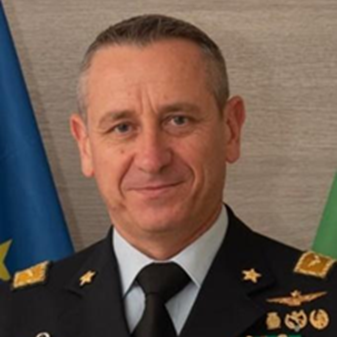

Lt. Gen. Maurizio CANTIELLO was born in the northeast of Italy in 1968; he joined the Italian Air Force Academy in 1987.
In 1992, he obtained his military wings at the Euro-NATO Joint Jet Pilot Training flight school – Sheppard USAF Base – Texas (USA).
He then qualified on the Tornado aircraft, at the Operational Conversion Unit – Trinational Tornado Training Establishment – Cottesmore (UK), and subsequently assigned in 1993 to the 154th Fighter Bomber Reconnaissance Group of the 6th Wing ”Diavoli Rossi » of Ghedi Air base, where he took part in combat flying sorties in NATO operations “Sharp Guard”, “Deny Flight » and « Joint Endeavour” over Bosnia.
In 1997 he was qualified experimental test pilot at the USAF Test Pilot School in Edwards – California (class 97A), and then served for ten years at the Italian Flight Test Center “Reparto Sperimentale Volo”, carrying out testing and experimentation programs on various aircrafts. During this period, he flew as “Solo Display » Pilot in the Tornado aircraft for three years and from 2003 to 2005 he commanded the 311th Flight Test Squadron.
Between 2007 and 2011, he served in Air Force General Staff, 4th Department, managing KC767A, T346A and AARGM procurement programs and then returned to the Experimental Test Wing in 2011, to assume command until 2013.
He then joined the 3rd Department of the Italian Defense General Staff (J5), as Chief of the “Alliances Policy Office”, assisting in matters of military policy, for the Chief of Defense and the Minister, for their participation in the main forums of NATO, European Union and United Nations.
In 2016, he attended the US National Defense University in Fort Mc Nair – Washington (DC), where he obtained a Master’s degree in National Security Strategy (National War College Class 2016).
Promoted to Brigadier General, he joined the staff of the Minister of Defence, as Deputy Chief of cabinet, in the area of operational affairs and subsequently military personnel, legal affairs and litigations.
On 13 November 2019 he assumed the role of Chief of Staff of the Italian Air Force Logistics Command and, shortly afterwards, the leadership of a COVID19 Task Force for the Air Force, established to tackle the pandemic crisis.
From August 2021 to August 2024, he served at the Italian Embassy in Washington D.C. as Defense and Defense Cooperation Attaché, with main accreditation in the United States of America and secondary accreditation in Canada and Mexico.
After returning from the US, he became the Chief of the Air Force Administrative Responsibility Centre, managing procurement of goods, services and infrastructures for the Air Force.
As of June 20, 2025, he is the Director for the Employment of Military Personnel of the Air Force. He holds a Silver Medal for Aeronautical Valor, he is an Officer of the Order of Merit of the Italian Republic and an Officer of the Legion of Merit of the United States of America.
Lt. Gen. Maurizio Cantiello flew more than 3,600 flying hours on 54 different types of aircrafts and helicopters and has logged 60 combat flying hours.


Luca del Monte is a senior executive at the European Space Agency (ESA), with solid experience in industrial policy-making, strategic development and deep tech technologies. After several years in the space sector between industry and institutions in Italy, Germany and the Netherlands, he joined ESA at its headquarters in France, where he took on positions of increasing responsibility in industrial strategy and policy.
Currently, he serves as Head of ESA’s Commercialization Department, supporting European space entrepreneurs on the path to commercialization and sustainable expansion in international markets. His department offers a wide range of services, ranging from business incubation to technology transfer and making connections with the investor world. He holds an honors degree in Aerospace Engineering from the University of Rome “La Sapienza” and completed his training at the Centre des Hautes Études de l’Armement at the École Militaire in Paris. del Monte is also a lecturer in Space Commercialization at the Doctoral School of the Polytechnic University of Bari, teaches courses in Space Entrepreneurship at the LUISS Business School in Amsterdam and is a co-founder as well as a board member of ECSECO – European Centre for Space Economy and Commerce, based in Vienna. He is also an Officer in the Selected Reserve of the Navy.
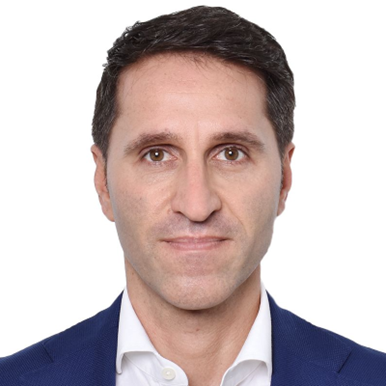

Professor Luigi Martino holds 15+ years of experience in security across the cyber and space domains, with expertise in AI, space research, governance, and strategic advisory. He is the founder of DamoTech, an innovative SME operating at the cybersecurity-space intersection.
He teaches on cyberspace and global politics at the University of Bologna, while also holding at Khalifa University the role of Senior Research Scientist and Principal Investigator on AI and cybersecurity.
Professor Martino is also the Head of the Center for Cyber Security and International Relations Studies at the University of Florence, while also being affiliated with institutions such as MIT, UCL (STEaPP), the University of Kent, Bocconi University, and ISPI.
In 2025 he was appointed by the Italian Presidency of the Council of Ministers to the working group drafting the National Strategy on Quantum Computing.
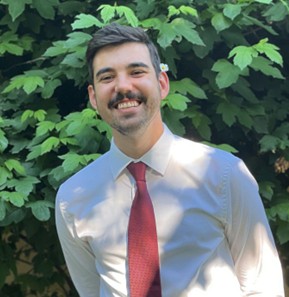
Luka Mamić is a researcher at the University of Padua and a visiting researcher at Adam Mickiewicz University in Poznań within the E-FORESTER project. He holds a Master’s degree in Geodesy and Geoinformatics from the University of Zagreb, with visiting periods at Adam Mickiewicz University in Poznań and Eskişehir Technical University. He recently obtained a PhD in Earth Observation from Sapienza University of Rome, including a research stay at Colorado State University.
His work bridges satellite remote sensing, machine learning, atmospheric chemistry, and plant physiology, with a focus on how surface ozone affects vegetation and how solar-induced fluorescence (SIF) can be used to monitor crop stress and productivity from space. His research is driven by the question: how can we detect plant stress earlier, before it’s too late, and at larger scales using publicly available satellite-derived data?
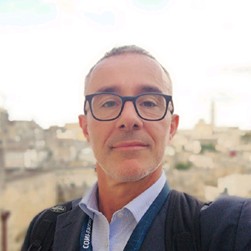

I was born on December 31, 1972 in Livorno and graduated in Pisa in telecommunications engineering in 1997 with 110/110 cum laude. Immediately after serving as a reserve officer (GM) in the Navy, I started working in 1998 in Telecom Italia Mobile (TIM) as a Cell Planner. Later I worked in Nodalis where I participated in its start-up and in some other fixed telecommunications companies. Finally, in 2008 I started working in MBI where I immediately dealt with the development of the S-band SATCOM system.
Later I was involved in the development for MBI of several other SATCOM products such as the smartLNB system (now EutelsatFirst) and the coordination of several projects in the ESA, ASI and EU fields. Currently I am involved in the coordination of the development of SATCOM products such as: communication systems via GEO satellites and LEO also with on-board processing (e.g. VDES) and Signal Intelligence (SIGINT) activities such as geo-location and rejection of RF emissions from the ground carried out on board LEO satellites.

Marco Bonaventura is an Italian communication engineer who graduated from the University of Padova.
Currently he is the owner and system design engineer at DWave Srl, he specializes in RF design, hardware development, and project management for the industrial and satellite markets.
His extensive career includes leadership roles at STMicroelectronics, where he focused on signal processing and telecommunication algorithms.
He is an accomplished inventor with several patents and technical publications in fields such as echo cancellation and satellite communication.

Chief Strategy Officer at Avio since 2024.
Mechanical Engineer by education, Marco De Luca began his professional career at Ferrari, where he held several roles within the R&D Department. After earning an MBA from SDA Bocconi, he pursued a career in strategic consulting at The Boston Consulting Group (BCG), focusing on the Industrial Goods sector and on projects involving strategy, M&A, and corporate transformation.
Marina López-Pozo, PhD, is a plant scientist specializing in space agriculture and bioregenerative life support systems. She has contributed to NASA research projects on plant cultivation, stress physiology, and nutritional quality under space-relevant conditions. Her work focuses on optimizing plant performance in closed and resource-limited environments to support sustainable human spaceflight.
Mario Cosmo graduated, Summa Cum Laude, in Aerospace Engineering, in 1987. He presently works at the Italian Space Agency (ASI) where he is the Science and Innovation Director.
Before joining ASI, Dr. Cosmo worked for over 20 years at the Harvard-Smithsonian Center for Astrophysics, Cambridge, Mass., U.S.A. where he has been involved in several NASA programs and international collaborations, like: Tethered Satellite System 1 and IR, SEDS, the UV coronagraph onboard SOHO; the X-Ray telescope on board Hinode, and several other scientific space-borne payloads.
Dr. Cosmo has been awarded the “Superior Performance Award » by the Smithsonian Institution in USA and the “Giuseppe Colombo” fellowship by the Accademia Nazionale dei Lincei in Italy. Dr Cosmo has authored a book and over a hundred scientific publications and technical reports and he is the reviewer of various scientific publications.
Mario Cosmo graduated, Summa Cum Laude, in Aerospace Engineering, in 1987. He presently works at the Italian Space Agency (ASI) where he is the Science and Innovation Director.
Before joining ASI, Dr. Cosmo worked for over 20 years at the Harvard-Smithsonian Center for Astrophysics, Cambridge, Mass., U.S.A. where he has been involved in several NASA programs and international collaborations, like: Tethered Satellite System 1 and IR, SEDS, the UV coronagraph onboard SOHO; the X-Ray telescope on board Hinode, and several other scientific space-borne payloads.
Dr. Cosmo has been awarded the “Superior Performance Award » by the Smithsonian Institution in USA and the “Giuseppe Colombo” fellowship by the Accademia Nazionale dei Lincei in Italy.
Dr Cosmo has authored a book and over a hundred scientific publications and technical reports and he is the reviewer of various scientific publications.


Martina Bruno is an Aerospace engineer with a Master’s in Space Engineering from Polytechnic of Turin. She worked for 3 years as Systems Engineering Manager in Voyager Technologies Europe, gaining experience in ISS mission management and team coordination. In addition, she has experience in satellite thermal and structural design, gained at Thales Alenia Space Italia. Skilled in aerospace systems analysis, she combines technical expertise with strong problem-solving and leadership abilities. She currently works as Senior Manager of EMEA region for the American Institute of Aeronautics and Astronautics (AIAA). Beyond her professional role, Martina is active in the space community as part of Women in Aerospace – Turin regional network and the Global Shapers Turin Hub of the World Economic Forum, promoting innovation, equity, and collaboration in the aerospace sector

Graduated in Electronic Engineering for Space and Defence at University of Rome Tor Vergata, Martina is currently working as Head of Quantum Communication System Solutions and Technology in the Engineering group of the Telecommunication Domain in Thales Alenia Space in Italy.
After working in Airbus UK as a System Engineer for commercial Payloads, Martina started her career in Thales Alenia Space as System Engineering Manager and as Product Line Architect for QKD and Quantum Telecommunication Satellite Systems, being in charge of the definition of company product roadmap and actively coordinating core quantum programmes like EuroQCI and ESA SAGA programme.

Massimo Ciscato is the Head of the Space Services Sector of the Space Research Unit of the European Commission’s Health and Digital Executive Agency.
He holds a PhD in Science and a complementary diploma in Information Technology. After spending several years in the private sector and as a freelance IT consultant, he joined the European Commission in 2007 to manage EU-funded research grants in the field of security, including cybersecurity, and, since 2016, in the field of space research. Since 2021 he leads a team of Project Officers managing Horizon Europe research grants, mostly in the fields of Earth Observation and of Space Science.
Massimo Comparini has been Managing Director of Leonardo’s Space Division since February 2025.
Massimo Comparini has extensive experience and a long-standing career in the space sector, spanning technology and services, as well as Earth observation, geospatial domains, space exploration, and space connectivity.
In 2024, he was appointed Managing Director of Leonardo’s Space Business Unit and Chairman of the Board of Directors of Thales Alenia Space.
From 2020 to 2024, he served as Deputy Chief Executive Officer and Senior Executive Vice President for Observation, Exploration, and Navigation at Thales Alenia Space, a joint venture between Thales (67%) and Leonardo (33%), as well as Chief Executive Officer of Thales Alenia Space Italia.
In 2016, he was appointed Director of the Geo Information Business Line at Telespazio, Chief Executive Officer of e-GEOS, a company jointly owned by the Italian Space Agency (ASI) (20%) and Telespazio (80%), a global leader in Earth observation and geospatial information, and Chairman of GAF and EarthLab Luxembourg.
In 2013, he was appointed CTO of Telespazio, a joint venture between Leonardo (67%) and Thales (33%).
He holds a degree in Electronic Engineering, Remote Sensing, and Radar Systems from the Sapienza University of Rome, and a degree in Strategy from the Graduate School of Business at Stanford University (USA).
He began his career in 1983 at the former Selenia Spazio (later Alenia Spazio), holding several managerial positions, including Chief Technical Officer (CTO).
He is a member of the Scientific and Technical Committee of the Center for Advanced Studies, and the author of over one hundred publications and articles in the fields of microwave technologies, space technologies, and innovation management.
He holds several academic appointments at the Universities of Perugia, Bologna, LUISS, and various business schools.
He has been awarded the title of Knight of the Order of Merit of the Italian Republic (Commendatore) and the Star of Labour Merit.
Massimo Maronati, CEO of Grammelot S.r.l., has over twenty-five years of experience in the aerospace sector, with a strong specialization in digital aeronautical training and dual-use solutions applied to advanced training systems.
A member of the Board of Directors of the Lombardia Aerospace Cluster, he is responsible for Business Networking and Inter-Cluster Relations.
He currently serves on the Board of Directors of the Lombardia Aerospace Cluster, overseeing the Business Networking and Inter-Cluster Relations area. In this role, he works to integrate Lombardy’s industrial excellence into national and international value chains, fostering synergies among industry, research institutions, and public organizations.

He has gained over ten years of experience in capital markets, private equity and venture capital, working in highly complex institutional and market environments and in close contact with leading European financial players.
He collaborated with Borsa Italiana and the London Stock Exchange, contributing to the development of initiatives aimed at strengthening the dialogue between SMEs and institutional investors, as well as improving the quality of companies’ strategic positioning in the capital markets.
In particular, for over five years he was involved in the structuring and organisation of Borsa Italiana’s STAR Conference, a flagship event for listed companies on the STAR segment, working closely with investment banks, institutional funds and the management teams of participating companies.
He subsequently worked in portfolio management and financial advisory for clients with complex wealth profiles, with the objective of outperforming relevant benchmarks and enhancing access to alternative investment instruments, including private debt, private placements and venture capital.
He later carried out corporate finance and venture capital activities in support of start-ups and innovative SMEs, assisting entrepreneurs and investors in financial structuring, strategic growth and access to capital, both in Italy and internationally.

Mattia Muracchioli holds a PhD in Industrial Engineering with a specialization in additive manufacturing of ceramic materials and a master’s degree in data science. He’s now working as a Project Manager and Technology Transfer expert at STAM, focusing on driving innovation through cutting-edge research projects in the space and advanced industrial sectors, fostering the transfer of breakthrough technologies across industries. His expertise extends to materials modelling and characterization, with hands-on experience in developing novel materials for diverse applications, including carbon dioxide adsorption, wastewater treatment, and space components.

Graduated in Aerospace Engineering from the Polytechnic University of Milan, he began his career within the Commercial Directorate of the Aircraft Division of Aeritalia, now Leonardo S.p.A.
Over the years, he has held various international roles, including CEO of the Panavia GmbH Consortium for the management of the Tornado Program, and later COO of the Eurofighter GmbH Consortium.
He has served as General Manager of Leonardo International and, subsequently, as CEO of Leonardo Germany GmbH.
Since July 2025, he has held the position of President of the Piedmont Aerospace District.

Mauro Sampellegrini is Director of Research, Innovation and Sustainability at Confindustria Moda, the Italian Federation of Textile and Fashion Industries.
He is responsible for defining and coordinating the Federation’s strategy on European-funded projects, industrial innovation, and sustainability, with a strong focus on digitalisation, advanced materials, and circular economy.
With extensive experience in EU policy frameworks and cross-sector collaboration, he actively engages with European institutions, industry stakeholders, and research organisations to support the competitiveness and technological evolution of the textile sector.
In recent years, he has been increasingly involved in initiatives at the intersection of textiles and high-tech industries, including aerospace and defence, contributing to the development of innovation roadmaps and the promotion of advanced textile solutions for next-generation applications.

Mentore is the Managing Director of Spaceflux Italia, the European headquarters of UK-based Spaceflux. After an early career in maritime engineering and consultancy in Venice, he moved into marketing and communications, joining Telescope Live in 2020 as shareholder and Lead Marketing Advisor – leading the company’s marketing and commercial operations as it grew into a leading platform for astrophotographers worldwide.
In 2022, when Telescope Live’s founder Marco Rocchetto launched Spaceflux, Mentore joined the new venture as Lead Marketing Advisor. In December 2024 he was appointed Managing Director of Spaceflux Italia, where he leads business development for the Italian market and drives institutional partnerships and strategic positioning across European defense and space ecosystems.

Michael Wohlfart is Team Manager Business Development & Academy at EOS, where he leads the Business Development team and oversees the Additive Minds Academy. With a strong background in high-end product development, he focuses on advancing AM in the defense and space sectors.
Michael started his career as an additive manufacturing engineer at Siemens, supporting the shift to serial AM production for gas turbine components.
Since joining EOS in 2017, he has held roles across engineering and business development, including supporting strategic U.S. customers in space and energy during his time in Los Angeles.
Michele Iapaolo works as a Commercialisation Officer in the ESA Directorate of Commercialisation, Industry & Competitiveness, in particular in the development of innovative products and services derived from – or that make use of – space technologies (like for example Earth Observation data) or in the adaption and transfer of terrestrial technologies into the space domain. He previously worked for more than 15 years in the ESA Earth Observation Directorate, where he gained an extensive experience in the development of EO downstream applications and new technologies for data management, data processing, information extraction and delivery, and as a Country Desk Officer in the ESA New Member States, Associate Members and Cooperating States office, implementing the ESA national schemes dedicated to the development of the industrial capabilities in Space in those Countries.
With around fourteen years of experience at the Investment Office of the Presidency of the Republic of Türkiye, Muttalip Tütüncü focuses on sectoral activities in Defence & Aerospace and Manufacturing fields. He held different roles in the organization as Project Director and Senior Project Director in Overseas Activities Unit, and currently Project Manager within the Sectoral Activities Unit. He has been leading business development and FDI facilitation in those industries, serving as a single point of contact for international investors and coordinating across national, regional, and local levels to deliver strategic industrial collaborations.
From 2014 to 2016, he served as Executive Coordinator for the World Association of Investment Promotion Agencies (WAIPA), coordinating between the Investment Support and Promotion Agency of Türkiye (ISPAT) and WAIPA, while conducting audits and inspections as well. Also, he successfully conducted the process of relocation of WAIPA’s headquarters from Geneva to Istanbul. He holds bachelor’s degrees in International Relations, and Business Administration.

Munetaka Ueno is the Research Director of the Space Exploration Innovation Hub Center at JAXA, and also holds professorships at Osaka University and Kobe University. He earned his Ph.D. in physics from Kyoto University in 1994. Afterward, he joined the Department of Astronomy at the University of Tokyo, and in 2009, he moved to the Institute of Space and Astronautical Science (ISAS), JAXA. At JAXA, he has held several key positions, including Head of the Mission Instrument Technology Group, Director of the Space Science Program Office, and Chief Engineer.
His research interests span observational astronomy, solar system science, scientific instrumentation, and systems engineering in space development. He has contributed to several major space missions, including AKARI (an infrared astronomical satellite), AKATSUKI (a Venus orbiter), and the HAYABUSA asteroid mission. He has also served as a Director of the Astronomical Society of Japan and as Chair of the Standing Space Agency Subcommittee under the International Project Management Committee.
He is deeply involved in supporting space startups in Japan. He currently serves as a Senior Advisor to ArkEdge Space, ispace, and Letara, and is also a co-founder and board member of Power Laser Inc.
Nader Alagha is currently with the Communication Systems Engineering Section in the Technical Directorate at the European Space Agency Research and Technology Centre (ESTEC) in The Netherlands.
Since 2015 he has been the Project Implementation Manager for several In-Orbit Demonstration missions for narrow-band communications and surveillance systems, such as NB-IoT and Maritime Satellite VHF Communications and Surveillance Systems.
Nader Alagha has contributed to several standardization technical groups including the ITU, DVB and ETSI. He has contributed to the standardization of VDE-SAT systems, supporting the associated technology developments and in‑orbit demonstrations.
He holds a Ph.D. degree in Electrical and Computer Engineering from McGill University, Canada. He is the ESA Technical manager of the Satellite Network of Experts (SATNEX) since 2015. He has served as the co-chair of International Communications Satellite Systems Conference (ICSSC) since 2018.

Vice President of Strategic Planning, Scenarios and New Initiatives at Telespazio (Leonardo – Thales Group).
With over 15 years of experience in corporate strategy, business transformation, and management control, he has played a key role in shaping strategic plans, leading M&A transactions, and driving growth initiatives in the aerospace and space sectors.
He is also responsible for the business planning activities of the Moonlight Program, a PPP with ESA aimed at developing a lunar-orbiting infrastructure to provide communication and navigation services for upcoming lunar missions.
Before his current role, he served as Head of Business Transformation at Telespazio, where he managed post-merger integrations and launched the Telespazio Product Portfolio platform.
Previously, as Head of Strategic Planning and M&A, he oversaw investment initiatives, business plans for ESA and EUSPA programs, and several acquisitions in Earth Observation and New Space domains.
Nicola began his career as a financial analyst at Alcatel Lucent and later held roles in management control and strategic planning at Leonardo Corporate.
He holds a Master’s degree in General Management and a Bachelor’s degree in Business Administration from Bocconi University, with international experience in Australia and the United States.
He is a certified Project Management Professional (PMP®) and co-founder of Eggup®, a soft-skills assessment platform acquired by Zucchetti in 2022.
Dr. Oscar Pozzobon is co-founder, president and CEO in Qascom. He received a degree in information technology engineering from the University of Padova, a master’s degree from the University of Queensland in telecommunication engineering and a Phd in Aerospace and Satellite Applications from CISAS, University of Padova.
He has 20 years of experience in space, satellite navigation and cybersecurity, and has been involved in several space programs with the European Space Agency (ESA), the Italian Space Agency (ASI), the National Aeronautics Space Administration (NASA), the European Union Agency for Space programs (EUSPA) and the European Commission (EC). Between 2001 and 2015 he pioneered the early concepts of GNSS authentication, where contributed to the design and development of 2 of the 5 Galileo services. He also contributed to the verification and validation of the first Galileo IOV and FOC satellites as part of a contract with Thales Alenia Space. Since 2021 he has been involved with NASA and ASI in the first Italian mission that will land on the moon, and one of the first in Europe. As recognition for the work performed in satellite navigation, he was nominated by the US magazine GPSWorld one of the « 50 Leaders to watch » in the space industry.
His main interests are satellite navigation, cybersecurity and Space, where he holds more than 50 publications and 3 patents.
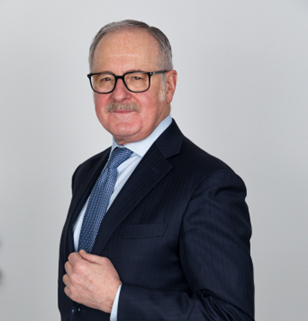

Long experience in technical textiles and R&D activities on advanced technologies and materials
Since 2008 he is Global and R&D Director of Saati spa, with worldwide responsibility for Technical Developments of products and Production processes.
Author of numerous patents and publications.
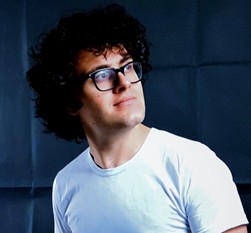
Paolo Mangili is the Head of Engineering and Research at REA Space. He graduated in Product Design at Politecnico di Milano and then obtained a Master of Science in Space Architecture at the University of Houston, where he worked as a Researcher on projects with partner companies like Boeing until October of 2025. He currently works with REA Space on the development of next generation space suits, helping to build an Italian way in this cutting-edge field.
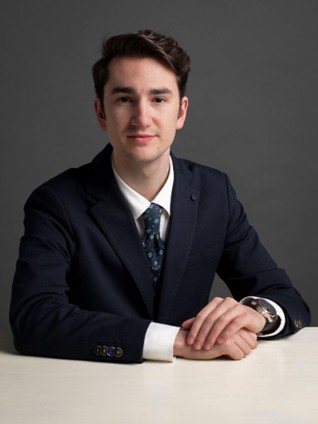

He joined the firm in 2022. His master’s thesis project related to a medical imaging system based on neural networks. He has gained particular experience in the field of computer science, with a focus on software and artificial intelligence. TRAINING
Bachelor’s degree in Computer Science and Technology (Università di Torino) | Master’s degree in Artificial Intelligence and Computer Systems (Università di Torino) SERVICES PATENTS INDUSTRIES
Electric Engineering | Software / IT
LANGUAGES
Italian (native language) | English
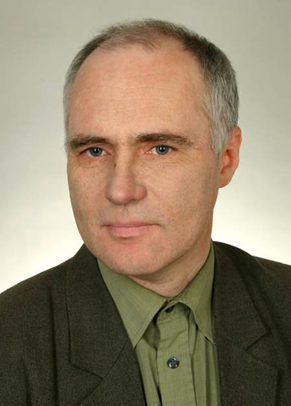
Born in 1963. Professor at the Poznań University of Life Sciences. From 2014 to 2021, Head of the Department of Forest Sites and Ecology (Faculty of Forestry). Specialist in forest habitats, soil science, forest plant communities, and the Natura 2000 network.
Member of the Scientific Councils of the Słowiński National Park and the Drawieński National Park. Since 2021, Chairman of the Regional Council for Nature Conservation at the Regional Directorate for Environmental Protection in Poznań.
Pierfilippo Manieri holds a Laurea in Ingegneria Aeronautica from the University of Rome and a Master in Materials Engineering from the University of Dayton (OH, USA), where he also conducted his thesis research at the Wright Patterson Air Force Base.
He joined the European Space Agency (ESA) in 1989, serving initially at ESA Headquarters in Paris and subsequently at the European Space Research and Technology Centre (ESTEC) in the Netherlands.
Mr. Manieri currently holds the position of Senior Advisor for Microgravity and Robotic Payloads within the Optics, Robotics and Life Science Division, which provides key engineering support to ESA programmes in the fields of instrumentation, automation, robotics and optical systems. He additionally serves as ad-interim Project Manager for the MELiSSA project, dedicated to the development of closed-loop life support systems for long-duration human space exploration missions.
Over a career spanning more than three decades at ESA, Mr. Manieri has directed the procurement and development of an extensive range of scientific experiments — from small-scale payloads to large and complex multi-user facilities — conducted aboard the Space Shuttle, Russian space vehicles and the International Space Station (ISS). His responsibilities have encompassed the full programmatic cycle, from requirements definition through development, integration and in-orbit operations, as well as chairmanship of contract negotiation boards and technical failure investigation boards.
Outside of his professional duties, Mr. Manieri pursues outdoor activities including skiing, running, cycling, hiking, and flying RC model aircrafts.

Pierluigi Di Lizia is Associate Professor of Aerospace Mechanics and Spacecraft Guidance and Navigation at the Department of Aerospace Science and Technology of Politecnico di Milano. His main research areas include space traffic monitoring, space situational awareness, and guidance, navigation, and control of satellites for proximity operations. He has over twenty years of experience in projects involving research institutions and private companies and is co-author of more than 250 scientific publications. He is a member of the Italian Space Agency delegation to the Inter-Agency Space Debris Coordination Committee (IADC), serves as a governmental expert for the CapTech Space of the European Defence Agency, and supports the European Commission as an expert in the evaluation of EUSST activities.

Riccardo Marchetto (born in 1976) holds a Master’s degree in Space Business Administration from LUISS University in Amsterdam and has a strong passion for programming. He found in space technologies a powerful tool to tackle one of the most critical challenges of our time: water loss.
He began his space journey in 2014 with Neptune, a startup incubated at ESA BIC, bringing to market an innovative technology based on the analysis of satellite imagery.
His commitment to this field continued with the founding of Cosmic, a new startup and winner of the ESA Startup Competition, which is still active today in water leakage detection through the use of secondary cosmic rays.

Rob Suters is Co-founder and Executive Director of the MELiSSA Foundation, an ESA-affiliated scientific programme developing bioregenerative life support and closed-loop systems for long-duration space missions. The technologies developed within MELiSSA have direct applications on Earth, from circular food and water systems to waste valorisation and resource recovery in resource-constrained environments. His work focuses on institutional development, European research funding, and building the partnerships that translate circular life support science into operational programmes. He has been involved with MELiSSA for over twenty years and works closely with ESA and a global network of academic and industrial partners.
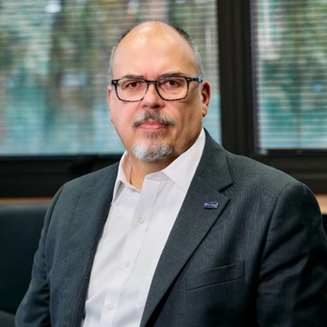
Director of the Domain Exploration and Science of Thales Alenia Space and responsible of the Turin Site.
Roberto Angelini has a master degree in Aeronautic Engineer at the Politecnico di Torino. He is in Thales Alenia Space since 1997 when he started as part of the System Engineering team of the Node 2 & Node 3 elements of the International Space Station. Since 2004 and following the ISS experience he worked in the field of the atmospheric re-entry vehicles for several European studies. For the Intermediate eXperimental Vehicle (IXV) he has been initially System/Chief Engineer and subsequently Program Manager up to the successful flight in February 2015. Since 2018 he has been the Engineering Director of the Domain Exploration & Science coordinating the efforts of the 500+ engineers of the Domain in support to Space Infrastructures and Transportation, Re-entry Vehicles, Robotics Exploration, In Orbit Servicing and Scientific Satellites and Payloads projects.
Since 2025 he is Director of the Domain Exploration and Science of Thales Alenia Space and responsible of the Turin Site.
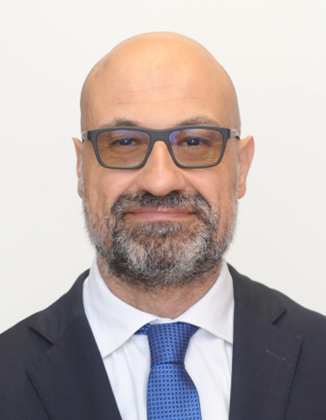
Roberto Capua holds a Master Degree in Electronic Engineer and a PhD in Positioning, Navigation and Wireless Location.
He has a consolidated background in the field of GNSS applications Research and Development for Public and Private Organisations. He worked on most important European Commission Programmes on Galileo design and applications. He was a Program Manager on satellite navigation applications for an important European Satellite Service Provider. His areas of activity include advanced high precision GNSS and Augmentation Systems, GNSS Software Receiver and GNSS surveying for cadastral and mapping applications. He worked on the development of hardware and software navigation and communication technologies for Road, Inland waterway, Aerospace and Cadastral Surveying. He was Head of Innovation and Head of R&D for Sogei, where he was managing a GNSS Network for Cadastral Purposes and the GNSS SDR development activities. He was Secretary of the Space Y Association and he is the Chairman of the RTCM SC-134 Committee “Integrity for GNSS-Based High Accuracy Applications”.
He is currently Head of ComNav and Space Surveillance Solutions and Services within the Leonardo Space Division.
He is the President of the Satellite Navigation (GNSS) Commission in the Order of Engineers of Italy – Rome Province.
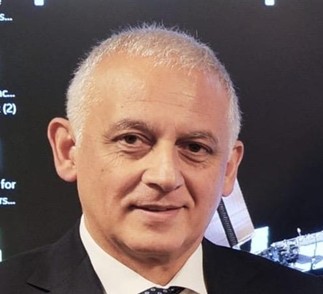
Head of Engineering and Technology Directorate at The Italian Space Agency, with over thirty years of experience in the realization of large works and infrastructures characterized by high complexity and high technological content in the Aerospace, Oil & Gas and Construction sectors, in the disciplines of Project Management, Quality, Research & Development and Engineering.
An expert in Space Policy, for more than 20 years he has represented Italy on ESA committees and international bodies, including, since 2015, ESA’s Industrial Policy Committee, a committee in charge of procurement and the definition, implementation and monitoring of European space industrial policy.
Responsible for the management of large space programs, for about 20 years, in the disciplines: planetary exploration, earth observation, in orbit servicing, exploration and orbital and surface infrastructure, midstream and mission control, space surveillance and tracking, stratospheric balloon missions and technology developments.
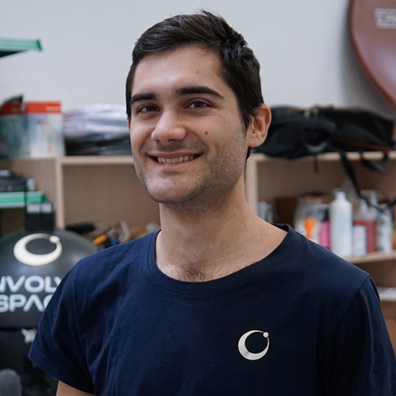

Aerospace Engineer with a background in Space Engineering from Politecnico di Milano and hands-on experience leading the technical development of stratospheric balloon platforms from early prototype to operational system. At Involve Space, he grew from engineer to Chief Engineer, taking ownership of the full technical stack: from mechanical design and GNC algorithms to avionics integration, launch operations and institutional grant management.
Rocco combines engineering knowledge with project management skills and ability to lead multidisciplinary teams, solve complex problems under pressure and translate vision into working hardware. He thrives at the intersection of research, engineering and operations.

Starting his career in 1988 as software engineer, in 2011 Stefano joined Telespazio, managing, among others, the VEGA Launcher flight software development.
In 2017 he entered the CTO team as responsible for Innovation Plan for Telespazio group.
In 2023 he was appointed VP for National and European Funded Programmes.
Since April 1, 2025, he is AIAD Aerospace Sector Coordinator.
Stefano Carosio is the Executive Director of STAM, an SME specializing in space and defence. Graduated in Chemical Engineering in 1994, he was awarded an Honorary Doctorate in Innovation Management in 2012. With over 25 years of experience in engineering consultancy and technological advisory services, he has consistently demonstrated deep expertise in the field. From 1996 to 2016, Mr. Carosio played a pivotal role in the European Space Agency’s technology transfer network, serving as the head of the Italian node.
In 2021, considering his extensive knowledge and capabilities, the European Commission invited him to join its expert group focused on EU policies and programs related to the space, defence, and aeronautics industries. There his work concentrated on technology transfer and synergies. As of today, he continues to play a key role in the technology transfer realm, as STAM is currently operating as Technology Broker for the European Space Agency, while actively contributing to the first « African Business Innovation Lab » in Kenya, within the Africa-EU Space Partnership Program framework.

Mr. Vianello began his career at Rolls-Royce in the aviation aftermarket, supporting major airline operations and their fleets of three-shaft gas turbine aero engines.
He went on to build deep expertise in operations, reliability, and cost management within the aero engine aftermarket, leading global, cross-functional engineering teams and mastering a broad range of aftermarket disciplines and interfaces.
He later established and led the service strategy for the Rolls-Royce Electrical division, supporting electrical proplusion units design and development, as well as Advanced Air Mobility customers and partners.
Most recently, he joined Zoppas Industries to develop its aviation business, foster ecosystem synergies, and strengthen customer interfaces.

Dr. Taha Tetik is a senior space systems executive with over two decades of international experience
across the full lifecycle of satellite programs, including GEO communication and LEO Earth observation satellite systems.
He currently serves as Space Systems Programs and Products Director at Turkish Aerospace Industries (TAI), where he leads complex, multi-stakeholder programs spanning system design, manufacturing, assembly, integration and testing (AIT), launch, and in-orbit operations. In this role, he has made significant contributions to TURKIYE’s key space initiatives, including the GOKTURK series electro-optical and SAR Earth observation satellites, as well as the country’s first indigenous
GEO communication satellite, TURKSAT-6A.
Dr. Tetik holds a PhD in Industrial Engineering, with a specialization in satellite reliability optimization, and a Bachelor’s degree in Electrical and Electronics Engineering.
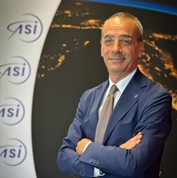
President of the Italian Space Agency since June 14th 2023, Full Professor of Materials Science and Technology and Aerospace Materials at Rome University “La Sapienza “.
Education
1989 – Graduated in Mechanical Engineering – Sapienza Università di Roma
1993 – Master in Business Administration – LUISS University of Rome
Previous Assignment
1996-1997, Seconded National Expert to the European Commission – COST Materials
2005-2009, President of the Italian Association on Materials Engineering
2006-2008, Member of the Board of the company Rete Ventures Scarl
2009-2012, member of the Board of the Consortium Sapienza Innovazione, then President
2010 – 2019, Director of the Department of Chemical Materials Environmental Engineering at Rome University “La Sapienza”
2012-2020, President of the Italian Inter-University Consortium on Materials Science and Technology (INSTM)
2013-2023, Member of the Board of the Technological District Matelios Scarl on advanced materials for renewable energies
2016 – 2020, Vice Rector for Research, Innovation and Technology Transfer of Sapienza University of Rome
2018-2020, President of the National Competence Centre on Cybersecurity, Cyber4.0
2023 – Director of the National Research Council Institute IPCB (2023, Institute for Polymers Composites and Biomaterials). at Italy’s National Research Council – CNR, served in the Research and Development Directorate of the EU Commission, and held various positions in the private sector. Appointed as President of UN-COPUOS Committee, United Nations Office for Outer Space Affairs (UNOOSA) for 2026-2027.


Thomasina Garza serves as Senior Director of International Markets at Axiom Space, where she leads international market development and implements Axiom Space’s international government engagement strategy. In this role, she works with ministries, national space agencies, and commercial partners around the world to advance human spaceflight opportunities, develop bilateral cooperation frameworks, and expand Axiom’s presence in emerging and established space markets.
Her portfolio spans regions across the Middle East, Central Asia, Latin America, Europe, and Southeast Asia, supporting mission planning, policy coordination, strategic outreach, and commercial collaboration. Thomasina is known for her ability to navigate complex regulatory, diplomatic, and operational environments while building trusted relationships with senior decision-makers and technical teams alike.
Throughout her tenure, she has driven initiatives ranging from private astronaut mission engagements to early-stage program development for nations entering human spaceflight for the first time. Her leadership includes coordinating international agreements, aligning cross-functional teams, and enabling new market pathways that strengthen global access to space.
Thomasina joined Axiom Space in 2021 and has become a key figure shaping the company’s international growth strategy. She is recognized for her commitment to fostering cooperation across borders and helping nations take meaningful steps toward participating in the future commercial space economy.
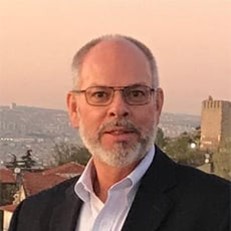

Tom S Wood is the Frameless Motor Product Specialist at Kollmorgen which provides motion systems and components for Space, Defense, and Robotics applications as well as a wide range of Industrial and Commercial applications. Tom has over 40 years of hands-on working experience in servo-based motion control systems.
Kollmorgen has worked with the teams at JPL for all 5 generations of the Mars Rover programs, provided motors for many notable NASA and private space programs, developed and fielded motors at scale for LEO applications, and developed motors for all Space application domains [Ground Support, Launch Systems, LEO Satellites, Space Habitation actuator motors, and Extra-terrestrial vehicular designs [from terrestrial prototypes to full environmental capable designs].
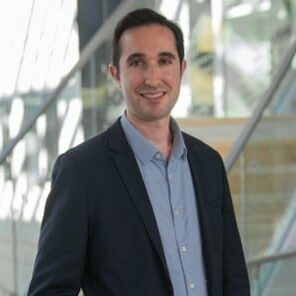
Valerio Moro is Head of Airbus in Italy since December 2024.In his role, he is responsible for overseeing Airbus’ operations across all of the Company’s divisions in Italy and for the management of Airbus’ local subsidiary dedicated to space products and services.
He holds a degree in Aerospace Engineering from Politecnico di Milano and a Double Master’s Degree from École Nationale Supérieure de l’Aéronautique et de l’Espace (ISAE-SUPAERO) with honours.
In 2010, he participated as a Research Associate in NASA’s Academy program. With over a decade of experience at Astrium Satellites and Airbus Defence and Space in engineering and management roles, he took on the role of Executive assistant to the Airbus CEO in 2022, overseeing the group activities across Commercial Aircraft, Helicopters and Defence and Space.


Vincent Lonjou holds a PhD in Astrophysics, Space Science and Technology. Joining CNES in 2008, he has been involved in the design, development, flight testing, and operation of several Earth observation instruments and missions, including IASI, CALIPSO, Spot-7, and Sentinel-2. He then joined CNES’s Earth Observation Laboratory (EO-Lab) to develop EO based downstream applications. He is currently the Technical and Innovation Coordinator for CNES’s Data Campus department.
Graduated in Electronic Engineering at Federico II in Naples, he began his activity in the space sector of the then Aeritalia as manager of communication systems and on-board computers for satellites. Previously responsible for scientific projects such as Hipparcos and Integral, he has also worked for the International Space Station. He was Vice President for Science and Exploration of Thales Alenia Space Italia, dealing with the implementation of important European projects such as GOCE, Herschel & Plank and the launch of projects such as: Bepi Colombo, the Solar Orbiter project and the Exomars for the exploration of the red planet. Since 2004 Member of the ISEC « International Space Exploration Committee ». Today Vice-President Marketing & Sales for the institutional activities of Thales Alenia Space Italia and CEO of ALTEC S.p.A.
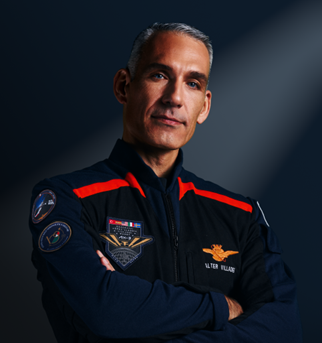
Colonel Walter Villadei joined the Italian Air Force (ItAF) in 1993, beginning his career as a cadet at the Air Force Academy in Pozzuoli. He pursued his studies in Aeronautical Engineering with a specialization in space (becoming the first ItAF officer to attend such a course). In February 1999, he was assigned as a Lieutenant to the 46th Air Brigade in Pisa with the role of Technical Officer on various fleets (G-222 and C-130J), participating in numerous operational activities abroad (United Nations Mission in Eritrea and Ethiopia, International Security Assistance Force, Enduring Freedom, Antica Babilonia, Kosovo, former Yugoslavia), as well as numerous training missions in Europe and the United States.
Early Career and Education
Transferred to the Air Staff in October 2003, he attended an advanced specialization course until May 2005, obtaining a second-level Master’s degree from the University of Rome La Sapienza, followed by a six-month period at the European Space Agency and initial study on air-launched vehicles in collaboration with the national industry. In 2006, he graduated with honors in Astronautical Engineering from the School of Aerospace Engineering, founded by Luigi Crocco and directed for many years by Luigi Broglio.
Space Policy and Program Leadership
From 2009, he held various positions in the ItAF dealing with military and dual-use space programs, both at the Air Force Space Policy Office and at the General Office for Space, where he operated until mid-March 2022 as Head of the « Space Policy and Operations Office ». Among other activities in his career: from 2018 to 2022, he was the national representative at NATO’s Science and Technology Office (STO) for collaborative activities in the space domain; from 2017 to 2021, he was National Representative at the EU-SST Consortium Steering Committee and IT-MOD Representative in the National Coordination Committee (OCIS) for governance of the Space Surveillance and Tracking (SST) capability development program; from 2014 to 2021, he was National Delegate to the European Commission, appointed by the Presidency of the Council of Ministers, for the European Committee relating to the Space Surveillance and Tracking Support Framework. Additionally, during the period 2014-2018, he was a Member of the Scientific Technical Committee of the Italian Space Agency; during the period 2014-2018, he was a Member of the Coordination Committee established by the Framework Agreement between the ItAF and the University of Rome Tor Vergata « for collaboration in the field of advanced training, applied research and experimentation in the aerospace sector and human spaceflight ». He is a member of the Scientific Technical Committee of the Veneto Space Meeting,
supports the Parliamentary Intergroup for the Space Economy and is a subject matter expert for the Presidency of the Council on the topic of orbiting infrastructures.
Space Operations and Commercial Spaceflight
Since March 14, 2022, he has assumed the role of ItAF Representative in the United States for space access activities and commercial spaceflights with Axiom Space. He has participated and continues to participate in various national working groups in the space sector.
Cosmonaut and Astronaut Training
Colonel Walter Villadei is the first Italian to have attended a qualification course as a Cosmonaut (2011-2012), at the prestigious Y. Gagarin State Research & Test Cosmonaut Training Center in Star City, where he earned his cosmonaut wings and was qualified as a flight engineer/co-pilot of Soyuz-MS, in advanced use of systems for extravehicular activities (Orlan systems) and onboard systems of the Russian segment of the International Space Station (2014-2015 and 2018-2019). Since September 2021, within an agreement between the Italian Air Force and Axiom Space, Col. Villadei began training at NASA as a « professional astronaut » and in mid-2022 was assigned as backup pilot for the Ax-2 mission.
Spaceflight Missions
On June 29, 2023, Col. Villadei served as Commander of VIRTUTE 1, flying suborbital on the Virgin Galactic spaceplane from Spaceport America in New Mexico, conducting various experiments provided by the ItAF and the National Research Council. From January 18 to February 9, 2024, Col. Villadei served as pilot of the Axiom-3 mission, spending 21 days in space and 18 days aboard the ISS, performing experiments for the ItAF, Italian Space Agency, and Italian industries, along with some Axiom experiments. In 2025, he served as backup commander for the Ax-4 mission.
Teaching and Recognition
Col. Villadei has taught at various universities; he has produced numerous articles and promoted various initiatives in favor of young people and students to bring them closer to space. He holds diving certifications (various specialties), a VDS pilot license, and is a martial arts instructor. Col. Villadei has received various honors and recognitions, including the honor of Commander of the Order of Merit of the Italian Republic and the Silver Medal for Aeronautical Merit.
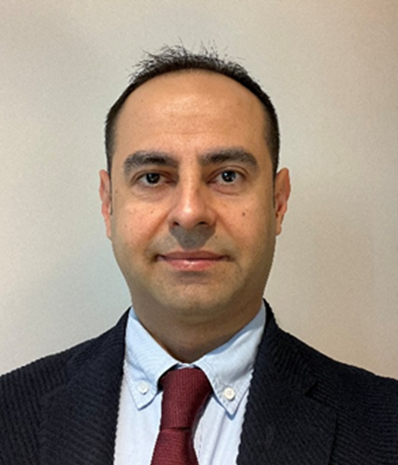

Yigit Koray Genc was born in Ankara in 1982. He received his Bachelor’s and Master’s degrees from Baskent University, Department of Industrial Engineering in 2004 and 2007, respectively, and his Ph.D. from Atilim University, Department of Modeling & Design of Engineering Systems in 2012. He began his professional career as a Research Assistant in the Department of Industrial Engineering at Baskent University in 2004, and worked in the Department of Industrial Engineering at Atilim University between 2006 and 2008. Since 2008, he has been working at ROKETSAN, where he has held positions in Systems Engineering, Technology Management and Project Management. He currently serves as the « Director of Space Systems » at ROKETSAN.